A washing machine making loud noise when spinning is typically caused by an unbalanced load, an unlevel machine, or worn internal components like drum bearings or shock absorbers. Addressing these issues promptly can prevent further damage and costly repairs. This guide will help you diagnose and fix common causes of excessive noise during the spin cycle.
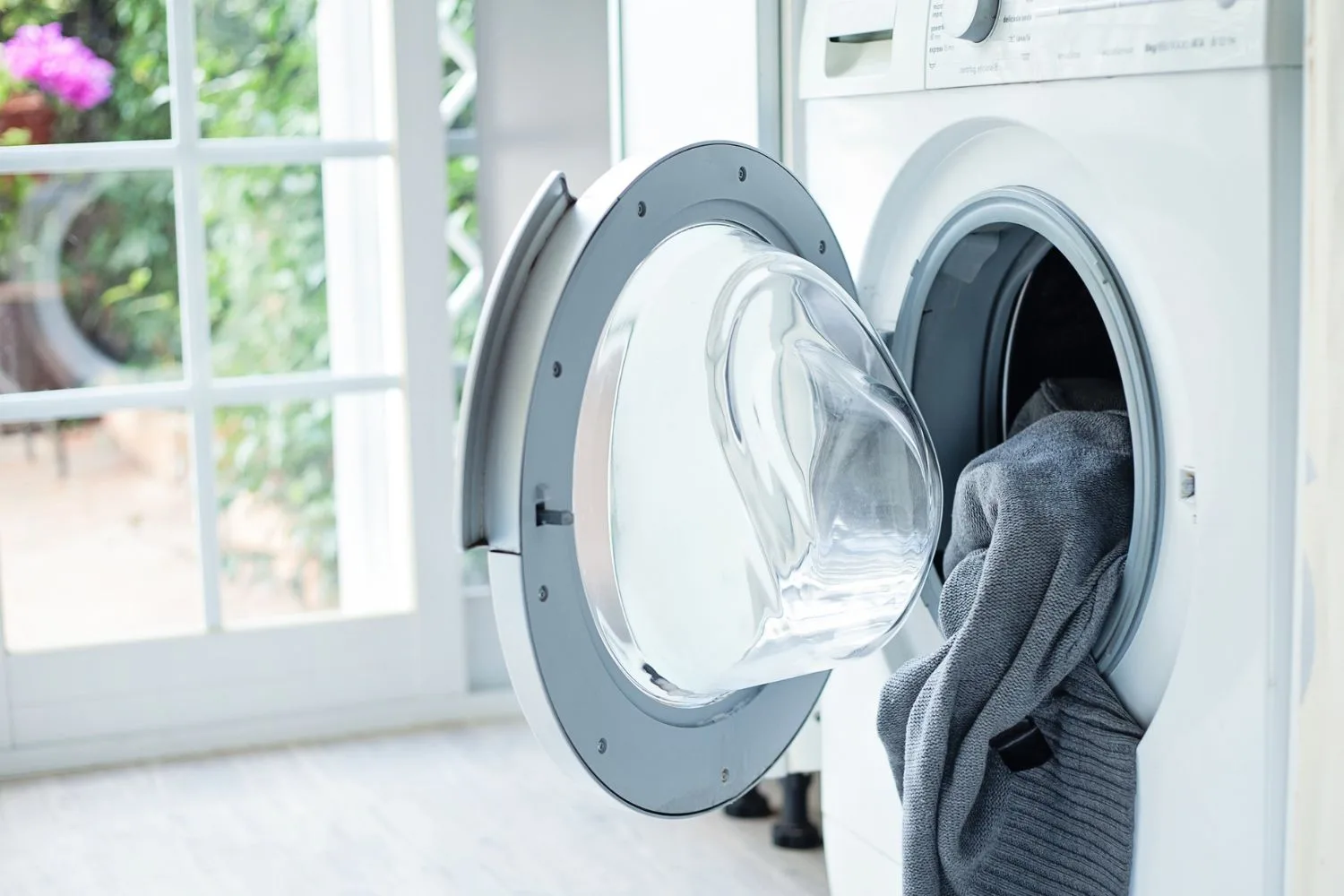
Why is My Washing Machine So Loud? The Common Culprits
More often than not, a noisy spin cycle is caused by something simple. Before diving into the machine’s guts, let’s rule out the easy-to-fix issues. Think of this as the basic health check-up for your washer.
The Unbalanced Load: The Number One Offender
This is, without a doubt, the most frequent cause of a washing machine that sounds like it’s auditioning for a monster truck rally. When heavy items like towels, jeans, or bedding all clump together on one side of the drum, it throws the whole machine off-kilter during the high-speed spin.
Think of it like a lopsided spinning top—it’s going to wobble violently. Your machine’s sensors often detect this and may even stop the cycle, but sometimes it just powers through, creating that terrifying banging sound.
How to Fix It:
- Pause the Cycle: Stop the machine immediately.
- Open the Door: Wait for the lock to disengage.
- Redistribute the Load: Manually untangle the clothes and spread them out evenly around the drum. If you have one very heavy item, like a bath mat, add a couple of other towels to balance it out.
- Restart the Spin Cycle: The noise should be gone.
Pro Tip: When washing large, absorbent items, always try to wash at least two at a time to maintain balance from the start.
An Unlevel Machine: The Shaky Foundation
Your washing machine needs to be perfectly level to work correctly. If it’s sitting on an uneven floor or its adjustable feet aren’t set right, it will rock back and forth during the spin cycle. This vibration translates into a loud, thumping noise.
Give your machine a gentle push from the top corners. Does it wobble? If so, you’ve likely found your problem.
How to Fix It:
- Adjust the Feet: Most washing machines have adjustable, screw-in feet. You may need a wrench to loosen the locking nut. Adjust each foot until the machine is perfectly stable and doesn’t rock in any direction.
- Use a Level: For best results, place a carpenter’s level on top of the machine to ensure it’s perfectly flat.
Digging Deeper: When the Noise Signals a Bigger Problem
If you’ve balanced the load and leveled the machine, but the washing machine making loud noise when spinning persists, it’s time to play detective. The specific type of noise can often tell you what’s wrong.
Worn-Out Drum Bearings: The Grinding Rumble
Bảng trống.The drum in your washing machine spins on a set of bearings. Over time, the seals can fail, allowing water and detergent to seep in and cause rust and wear.
- The Sound: A worn-out bearing typically creates a loud, low-pitched rumbling or grinding noise that gets progressively louder as the spin speed increases. It’s a constant noise, not an intermittent bang.
- How to Check: With the machine empty and turned off, try to spin the drum by hand. Does it feel rough or make a gritty noise? Now, try to lift the drum from the inside lip. If there’s a lot of up-and-down play, your bearings are likely shot.
Fixing this is a major repair, often requiring a complete teardown of the machine. It’s usually a job for a professional unless you are a very experienced DIYer.
Failing Shock Absorbers or Suspension Springs: The Violent Banging
Just like your car has a suspension system to smooth out bumps, your washing machine has shock absorbers or suspension springs to absorb the drum’s violent movements during the spin cycle. When these wear out, they can no longer dampen the vibrations.
- The Sound: This results in a loud, rhythmic banging as the tub assembly slams against the machine’s frame. The sound is most pronounced at the beginning of the spin cycle.
- What to do: Replacing shock absorbers is a moderately difficult job. You’ll need to access the bottom or back of your machine. If you’re not comfortable with that, it’s best to call a technician.
A Clogged Drain Pump Filter: The Rattling or Buzzing
Sometimes, small items like coins, buttons, or even a sock can make their way from the drum into the drain pump. When the machine tries to pump out water, the object can rattle around in the pump housing or jam the impeller.
- The Sound: A rattling, buzzing, or grinding noise that occurs when the machine is draining and spinning.
- How to Fix It: This is often a simple fix! Most front-loading machines have a small access door at the bottom front. Place a shallow tray and a towel underneath, unscrew the filter cap, and let the residual water drain out. Clear any debris you find and screw the cap back on tightly.
What Kind of Noise Is It? A Sound Diagnosis Chart
To help you pinpoint the issue, here’s a quick reference chart. Match the sound you’re hearing to the most likely cause.
| Sound Description | Most Likely Cause(s) | DIY or Pro? |
|---|---|---|
| Loud Banging / Thumping | Unbalanced load, unlevel machine, worn shock absorbers | DIY for balance/leveling. Pro for shocks. |
| Grinding / Deep Rumbling | Worn drum bearings | Pro (This is a complex and labor-intensive repair) |
| Rattling or Clicking | Object in drain pump, loose items in drum (bra wires) | DIY (Check the pump filter and inside the drum seal) |
| High-Pitched Squealing | Worn motor belt or pulley, foreign object between tubs | DIY/Pro (A belt is often a DIY job, but other issues may need a pro) |
| Loud Buzzing or Humming | Problem with the drain pump or water inlet valve | DIY to check the pump filter. Pro for valve or motor issues. |
“In my 15 years as an appliance repair technician, the first thing I always ask a customer with a noisy washer is, ‘What does it sound like?’ A bang is completely different from a grind. A homeowner who can accurately describe the noise is already halfway to a diagnosis. Never ignore a new noise; it’s your machine’s way of telling you something is wrong.”
— James Peterson, Certified Appliance Repair Specialist
When to Call a Professional vs. DIY Repair
Deciding whether to tackle the job yourself or call in an expert is crucial.
You Can Probably DIY If:
- The problem is an unbalanced load or an unlevel machine.
- You need to clean out the drain pump filter.
- You’re comfortable with basic tools and are simply replacing an accessory like a worn-out drive belt.
It’s Time to Call a Pro If:
- You suspect the drum bearings are shot. This is a big job.
- The issue involves the motor, transmission, or complex electrical components.
- You’ve tried the simple fixes and the noise persists.
- Your machine is still under warranty (a DIY attempt could void it).
Trying to fix a complex problem without the right tools or knowledge can lead to further damage or even personal injury. Sometimes, the peace of mind of a professional repair is worth every penny.
Frequently Asked Questions (FAQ)
1. Can an unbalanced load permanently damage my washing machine?
Yes, it can. Consistently running a machine with an unbalanced load puts extreme stress on the shock absorbers, suspension springs, and drum bearings, leading to premature failure of these critical components.
2. Is it normal for a washing machine to make some noise when spinning?
A quiet whirring or humming sound is perfectly normal during the spin cycle. However, any loud banging, grinding, thumping, or squealing is a sign that something is wrong and needs to be investigated.
3. How much does it cost to fix a noisy washing machine?
The cost varies wildly depending on the problem. Clearing a clogged pump might only cost a service call fee, whereas replacing drum bearings can be one of the most expensive repairs, sometimes costing nearly as much as a new machine.
4. Why is my new washing machine making a loud noise when spinning?
For a new machine, the most common culprits are an unlevel installation or the failure to remove the shipping bolts. These bolts hold the drum in place during transit and must be removed before use, otherwise, the machine will vibrate violently.
5. Can I just keep using my washing machine if it’s a little noisy?
It’s not recommended. A small noise is often an early warning sign of a bigger problem. Ignoring it can lead to a more catastrophic (and expensive) failure down the line. It’s always best to address the noise as soon as you notice it.
Your Next Step to a Quieter Laundry Day
A washing machine making loud noise when spinning can certainly be stressful, but it doesn’t have to be a disaster. By following this guide, you can confidently diagnose the issue, starting with the simple fixes like rebalancing your laundry and checking the machine’s level. If the problem is more serious, you now have the knowledge to describe the sound accurately to a technician, saving time and money. A quiet, efficient washing machine is key to a smooth-running home, and with a little troubleshooting, you can get yours back on track. For more tips on keeping your appliances in top shape, check out our other maintenance guides.
Frequently Asked Questions
Can an unbalanced load permanently damage my washing machine?
Yes, an unbalanced load can cause permanent damage. Consistently running a machine with an unbalanced load puts extreme stress on critical components like shock absorbers, suspension springs, and drum bearings, leading to their premature failure.
Is it normal for a washing machine to make some noise when spinning?
A quiet whirring or humming sound is normal during the spin cycle. However, any loud banging, grinding, thumping, or squealing indicates a problem that needs investigation. Normal operation should not involve disruptive noises.
How much does it cost to fix a noisy washing machine?
The cost to fix a noisy washing machine varies significantly. Simple fixes like clearing a clogged pump might only incur a service call fee, typically around $75-$150. However, replacing worn drum bearings can be one of the most expensive repairs, sometimes costing $300-$600 or nearly as much as a new machine.
Why is my new washing machine making a loud noise when spinning?
For a new washing machine, the most common reasons for loud noise during spinning are an unlevel installation or the failure to remove the shipping bolts. These bolts secure the drum during transit and must be removed before the first use; otherwise, the machine will vibrate violently.
Should I continue using my washing machine if it's making a small noise?
It is not recommended to continue using a washing machine that is making unusual noises, even if they seem minor. A small noise is often an early warning sign of a bigger problem, and ignoring it can lead to more catastrophic and expensive failures down the line. Address the noise as soon as you notice it.
Fix a Loud Washing Machine Spin Cycle
This guide outlines steps to diagnose and fix common causes of a washing machine making loud noise when spinning, starting with simple troubleshooting.
Pause the washing machine cycle immediately and wait for the door lock to disengage. Manually untangle and redistribute the clothes evenly around the drum. If washing large, absorbent items, always try to wash at least two at a time to maintain balance.
Push gently on the top corners of your washing machine to check for wobbling. Adjust the screw-in feet on the bottom of the machine, using a wrench if necessary, until it is perfectly stable. Use a carpenter's level on top of the machine for precise leveling.
With the machine empty and turned off, try to spin the drum by hand. If it feels rough, makes a gritty noise, or has significant up-and-down play when lifted from the inside lip, the drum bearings are likely worn. This is a complex repair best handled by a professional technician.
If you hear a loud, rhythmic banging, especially at the start of the spin cycle, the shock absorbers or suspension springs may be failing. Replacing these components requires accessing the bottom or back of the machine and is a moderately difficult job, often best left to a technician.
If you hear rattling, buzzing, or grinding during draining and spinning, check the drain pump filter. Most front-loading machines have an access door at the bottom front. Place a tray and towel underneath, unscrew the filter cap, drain residual water, and remove any debris before securely re-screwing the cap.
Get our weekly buyer guide
Practical specs, not advice. Unsubscribe anytime.
My washer is definitely making a loud noise when spinning, and I tried balancing the load and checking the level, but no luck. It sounds more like a grinding noise, so I’m thinking it might be those worn internal components like the drum bearings you mentioned. It’s a bit disappointing that the easy fixes didn’t work for me, but at least I have a better idea of what to tell the repair person.
My old washer started making this awful banging sound during the spin cycle, almost like a monster truck rally as you described. I was sure it was something major, but after reading your guide, I checked the load and it was totally unbalanced with all my towels on one side. Redistributed them and it’s quiet as a mouse now! So glad I didn’t call a repairman right away.
This guide was a lifesaver! My washing machine was making such a racket during the spin cycle, I thought it was going to break down completely. I followed the steps for diagnosing the issue and realized it was the shock absorbers. Ordered new ones and replaced them myself, saving a ton of money on a service call. Thanks for the clear instructions!
I’ve been dealing with a loud washing machine for weeks, and I thought it was just old age. The part about checking if the machine is unlevel really helped. Turns out one of the feet was completely off the ground. A quick adjustment with a wrench and it’s much quieter. Still a little hum, but nothing like before.