Let’s be real. You’ve just crushed a workout, you’re feeling great, but your gym clothes smell like they’ve run a marathon on their own. The worst part? Sometimes, even after a wash, that funky odor lingers. If you’re tired of wondering How To Wash Workout Clothes properly so they come out smelling fresh and clean, you’ve come to the right place. We’re going to dive deep into the science of stink and give you the ultimate game plan to keep your activewear in peak condition.
That persistent odor isn’t your fault; it’s a unique challenge presented by modern athletic fabrics. Unlike cotton, which absorbs moisture, high-performance materials like spandex, lycra, and polyester are designed to wick sweat away from your skin. While this is fantastic for your comfort, it creates a perfect breeding ground for odor-causing bacteria that get trapped within the synthetic fibers. Your regular laundry routine might not be enough to tackle them.
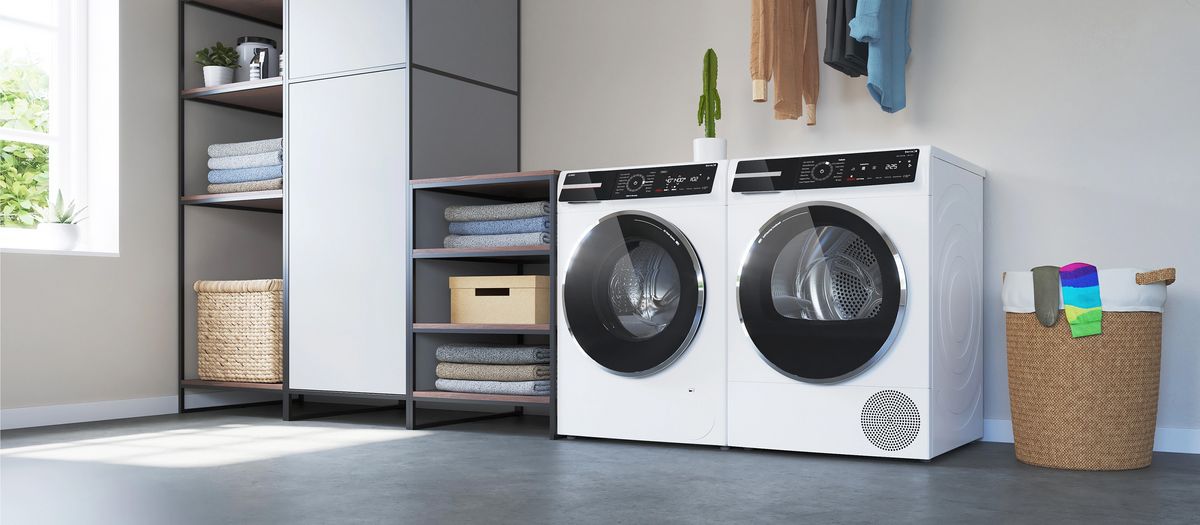
Why Your “Clean” Gym Clothes Still Smell
Before we get to the solution, let’s understand the problem. The fabrics in your favorite leggings and tops are essentially plastics. They repel water, which is great for wicking sweat but not so great in the washing machine. Water and detergent have a hard time penetrating these tightly woven, hydrophobic fibers to wash away the real culprits: a combination of sweat, body oils, and bacteria.
Over time, this buildup creates a stubborn biofilm that locks in odors. Throwing them in a hot wash with regular detergent and fabric softener can actually make things worse by damaging the delicate fibers and trapping the stink.
The Ultimate Guide on How to Wash Workout Clothes
Ready to reclaim your activewear? Follow these steps, and that locker room smell will become a distant memory. This isn’t just a list of tips; it’s a new laundry philosophy for your fitness gear.
- Don’t Let Them Fester: The absolute worst thing you can do is toss your sweaty clothes into a hamper or leave them balled up in your gym bag. This is like a VIP party for bacteria. As soon as you get home, hang them up to air dry completely before washing.
- Turn Everything Inside Out: The gunk—sweat, oil, dead skin cells—is on the inside of your clothes. Turning them inside out gives your detergent direct access to the source of the smell. This also protects any logos or delicate outer finishes from the agitation of the wash cycle.
- The Pre-Soak is Your Secret Weapon: This is the non-negotiable step for truly stubborn odors. Soaking your clothes for at least 30 minutes before washing gives the cleaning agents time to penetrate the fibers and break down that stinky biofilm.
- For a powerful soak: Use a sink or tub filled with cold water and add one cup of white vinegar. Vinegar is a natural deodorizer that helps break down the oils and bacteria without harming the fabric.
- Choose the Right Detergent: Not all detergents are created equal. For activewear, you need a detergent specifically formulated for performance fabrics. Look for “sport” detergents that contain enzymes like protease and lipase, which are designed to break down sweat and body oils. Regular detergents often aren’t powerful enough.
- Break Up with Fabric Softener: This is critical. Fabric softeners and dryer sheets work by coating fibers with a waxy, liquid residue to make them feel soft. On technical fabrics, this coating traps bacteria and creates a barrier that prevents water and detergent from cleaning properly. It’s like trying to wash a rain jacket—the water just beads right off. Ditch it completely for your workout gear.
- Wash in Cold Water: It might feel counterintuitive, but hot water can damage the delicate elastic fibers (like elastane and Lycra) in your workout clothes, causing them to lose their shape and stretch. It can also set in protein-based stains from sweat. A cold water cycle is gentle on the fabric and, when combined with the right detergent, is perfectly effective.
- Don’t Overcrowd the Machine: Your clothes need room to move around in the drum to get properly clean. An overloaded washer won’t allow enough water and detergent to circulate, leading to a subpar wash. Wash a separate, smaller load for your activewear if needed.
- Air Dry Whenever Possible: The high heat of a machine dryer is the number one enemy of performance fabrics. It breaks down the synthetic fibers, degrades the elasticity, and can even trap any remaining odors. Hang your clothes on a drying rack. They’ll dry surprisingly quickly and last much, much longer.
Pro Tips for Next-Level Freshness
Feeling confident? Here are a few advanced tricks to add to your arsenal.
The Baking Soda Boost
If you’re dealing with a particularly stubborn smell, add half a cup of baking soda directly to the washing machine drum along with your clothes. Baking soda is a fantastic natural deodorizer that helps neutralize acidic odors.
Clean Your Washing Machine
Sometimes the problem isn’t your clothes, but your washer. Mold, mildew, and detergent residue can build up inside the machine, transferring smells back onto your laundry.
“A common mistake I see is people forgetting their washing machine needs a wash, too,” says John Carter, a certified appliance technician with over 15 years of experience. “Run a cleaning cycle with a dedicated washer cleaner or a cup of white vinegar once a month. It makes a world of difference, especially for those who regularly wash heavily soiled items like gym clothes.”
What are the Best Washing Machine Settings for Activewear?
Your washing machine is a powerful tool if you use it correctly. For how to wash workout clothes, select the delicate or gentle cycle. This uses less agitation and a slower spin speed, which protects the stretch and integrity of the fabric. If your machine has a “Sportswear” or “Activewear” cycle, even better—it’s specifically designed for this task.
Frequently Asked Questions
How often should I wash my workout clothes?
Ideally, you should wash them after every single use. Even if they don’t seem that sweaty, bacteria have already started to multiply. Re-wearing them can lead to skin irritation and makes the smell much harder to remove later.
Can I use OxiClean or other laundry boosters on workout clothes?
Yes, oxygen-based boosters like OxiClean are generally safe for synthetic fabrics and can be very effective at removing stains and odors. They are a great alternative to chlorine bleach, which will destroy performance wear. Just follow the package instructions for pre-soaking or adding to the wash.
Why do my workout clothes smell fine out of the wash but stink once I start sweating?
This is a classic sign of biofilm buildup. The clothes seem clean, but as soon as your body heat and fresh sweat warm up the fabric, they “reactivate” the old, trapped bacteria, releasing the smell. A deep-cleaning pre-soak with vinegar or a sports detergent should solve this.
Can I wash my workout clothes with my other laundry?
It’s best to wash them separately. Towels produce a lot of lint that can stick to performance fabrics and inhibit their wicking properties. Heavier items like jeans can be abrasive and cause pilling. Separating them ensures they get the specific care they need.
Is there any way to use a dryer if I’m in a hurry?
If you absolutely must use a dryer, use the lowest possible heat setting or the “air fluff” no-heat setting. Tumble drying on low for a short period is less damaging than high heat, but air drying is always the superior choice.
By changing your approach to how to wash workout clothes, you’re not just fighting odors—you’re protecting your investment. Proper care extends the life, fit, and performance of your gear, ensuring it supports you through many more workouts to come. So go ahead, embrace these steps, and enjoy the fresh, clean confidence of truly clean activewear.