Washing a comforter at home without ruining it is achievable by following specific steps: always check the care label for machine washability and water temperature, pre-treat any stains, ensure your washing machine is large enough (the comforter should fill no more than two-thirds of the drum when dry), use a gentle cycle with cold water and half the usual amount of mild detergent, and dry thoroughly on low heat with dryer balls, fluffing periodically to prevent clumping and mildew. This process typically takes a few hours for drying. 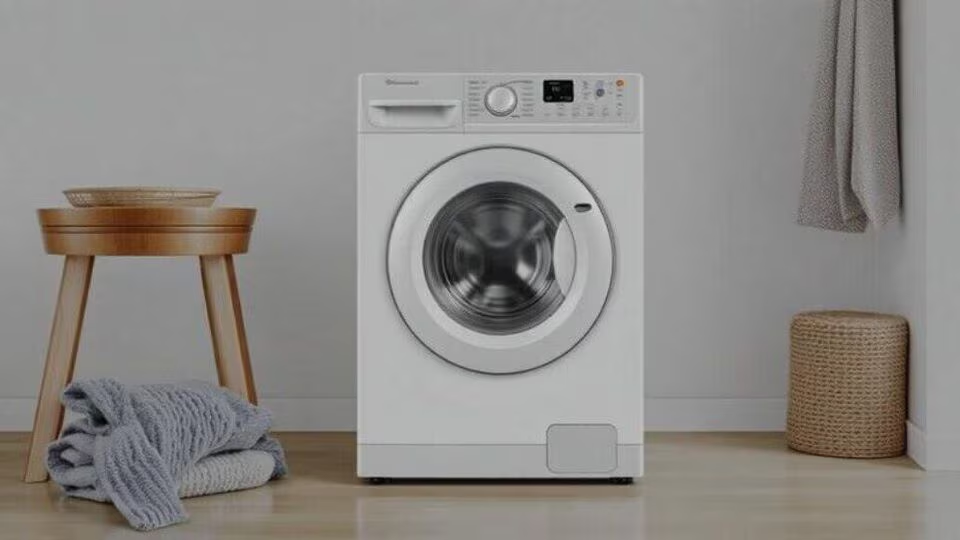
Before You Even Touch the Washing Machine: The Prep Work
Before you wrestle that giant cloud of fabric into your washer, a few minutes of prep can mean the difference between a fluffy success and a lumpy disaster. Think of this as your pre-flight check.
Check the Care Label: Your Comforter’s Instruction Manual
This is non-negotiable. Tucked away on a corner or seam, that little tag is your comforter’s bible. It will tell you everything you need to know, using a series of symbols and text.
- “Machine Washable”: Great! You’re cleared for takeoff.
- “Dry Clean Only”: Stop right there. This is a job for the professionals. Forcing a dry-clean-only comforter into a washing machine can damage the fabric, filling, and structure permanently.
- Water Temperature: The label will specify cold, warm, or hot water. When in doubt, always default to cold. It’s gentler on fabrics and filling.
Inspect for Rips, Tears, and Stains
Give your comforter a once-over. Do you see any loose threads or small holes? Washing can turn a tiny tear into a catastrophic explosion of fluff. Stitch up any weak spots before washing. For stains, now is the time to pre-treat them. A small dab of a gentle stain remover or a bit of diluted detergent worked into the spot with a soft brush will give your wash cycle a head start.
Do You Have the Right Equipment? (The Big Question)
This is the moment of truth. The number one enemy of a clean comforter is an overstuffed washing machine. The comforter needs space to move, tumble, and get thoroughly rinsed.
A Pro Tip from the Field: The golden rule is that the comforter should only take up about two-thirds of the drum space when dry. If you have to shove and force it in like you’re packing a suitcase for a month-long trip, your machine is too small.
- Front-Load Washers: These are the undisputed champions for washing comforters. Their horizontal drum and tumbling action are gentle and effective. They also lack a central agitator, which is a notorious comforter-mangler.
- Top-Load Washers with No Agitator (High-Efficiency models): These are a great second choice. They offer plenty of space and a gentler wash plate at the bottom instead of a central post.
- Top-Load Washers with an Agitator: This is the riskiest option. That central post can wrap, twist, and tear a bulky comforter. If this is your only option, proceed with extreme caution and ensure the comforter is balanced perfectly.
If your machine is too small, don’t risk it. A trip to the local laundromat with its oversized, commercial-grade front-loaders is a far better and cheaper option than a repair bill for your home machine.
The Step-by-Step Guide on How to Wash a Comforter at Home
Alright, prep work is done, and you’ve confirmed your machine is up to the task. Let’s get washing.
- Load It Correctly and Evenly. Don’t just ball it up and throw it in. Gather the comforter and feed it into the drum loosely, spreading it out as evenly as possible around the drum walls (or around the agitator, if you have one). A balanced load is crucial for preventing your machine from violently shaking during the spin cycle. I’ve seen washers “walk” across a laundry room from an unbalanced load!
- Choose the Right Detergent (and Use Less Than You Think). Use a mild, gentle liquid detergent. Powdered detergents can sometimes leave a chalky residue if they don’t dissolve fully, which is a common issue with bulky items. Critically, use about half the amount you’d use for a normal load. Too much soap is hard to rinse out and will leave your comforter stiff and your skin itchy.
- Select the Perfect Wash Cycle. Look for a “Bulky,” “Bedding,” or “Comforters” setting on your machine. These cycles are specifically designed for items like this—they typically use more water and have a slower spin speed. If you don’t have one of those, your next best bet is the “Delicate” or “Gentle” cycle. Always select a cold or cool water temperature.
- Add an Extra Rinse. This is one of my favorite tricks. Most modern washing machines have an “Extra Rinse” option. Use it. This is your insurance policy against soapy residue, ensuring all the detergent is washed away, leaving your comforter’s filling light and airy, not sticky and clumped.
The Drying Game: Just as Crucial as the Wash
You’ve successfully washed it, but the job isn’t done. Improper drying can lead to mildew, clumping, and a permanently flat comforter.
Using a Dryer
Bảng trống.Just like with the washer, size matters. The comforter needs plenty of room to tumble freely and for hot air to circulate.
- Load the Comforter: Place the damp comforter in the dryer, again, making sure it’s not crammed in.
- Add Dryer Balls: This is a game-changer. Throw in two or three wool dryer balls (or clean tennis balls in a sock). As they bounce around, they’ll break up any clumps of filling and help fluff the comforter as it dries, speeding up the process.
- Set to Low Heat: Select a low or very low heat setting. High heat can scorch the fabric and, in the case of down or synthetic down alternatives, can actually melt the delicate fibers. Patience is key here.
- Check and Fluff Periodically: Every 30 minutes or so, pause the dryer, take the comforter out, give it a good shake to redistribute the filling, and put it back in. This ensures even drying and prevents wet spots from forming in the middle. Be prepared for this to take a few hours.
Air-Drying: The Gentle Alternative
If you don’t have a large enough dryer or want to be extra gentle, air-drying is a fantastic option. Drape the comforter over a sturdy clothesline, a drying rack, or even across a few clean chairs. Keep it out of direct, harsh sunlight which can cause fading. Flip and fluff it every few hours to ensure all parts get exposed to the air. It will take a day or two, but the results are excellent.
Common Mistakes to Avoid (I’ve Seen Them All!)
- Using Too Much Heat: This is the #1 comforter killer. It ruins the filling. Always use low heat.
- Using Fabric Softener: It can coat the filling (especially down), reducing its fluffiness and insulating ability. Dryer balls are a much better option for softness.
- Overloading Your Machine: I’ve said it before, but it’s worth repeating. It leads to a poor wash, a poorly rinsed item, and potential damage to your appliance.
- Forgetting to Check for Wet Spots: Don’t pull the comforter out of the dryer and put it away just because the outside feels dry. Dampness trapped inside will lead to a musty, mildewy smell. Ensure it is bone dry all the way through.
Answering Your Burning Questions: Comforter Washing FAQ
How often should I wash my comforter?
For most households, washing your comforter 2-3 times per year is sufficient, especially if you use a duvet cover (which should be washed weekly with your sheets). If you have pets, allergies, or had a recent illness, you might want to wash it more frequently.
Can I wash a down comforter at home?
Yes, absolutely, as long as the care tag says it’s machine washable. Down is more delicate, so it’s even more important to use a gentle cycle, cold water, and a very mild detergent. The dryer ball trick is especially crucial for re-fluffing the down feathers during drying.
What if my comforter smells musty after washing?
This is almost always a sign that it wasn’t dried completely. Unfortunately, you’ll need to wash it again, perhaps adding a cup of white vinegar to the rinse cycle to help neutralize the odor, and then be extra diligent about the drying process. Make sure it’s 100% dry.
Can I wash a weighted blanket the same way?
No. Weighted blankets are a different beast. The filling (often glass beads or plastic pellets) makes them incredibly heavy when wet, which can easily break a residential washing machine. Most require spot cleaning or professional cleaning. Always follow the manufacturer’s specific instructions.
My comforter came out lumpy. Can I fix it?
Don’t panic! This is usually a drying issue. Put the lumpy comforter back in the dryer on a no-heat or air-fluff setting with a few dryer balls. Let it tumble for a while. You can also try to break up the clumps by hand. If it’s still damp, continue drying on low heat until completely dry.
Wrapping It Up: Fresh, Clean, and Fluffy
Learning how to wash a comforter at home is a skill that pays off in comfort and savings. By following these steps—reading the label, using the right size machine, choosing gentle settings, and being patient with the drying process—you can keep your favorite bedding fresh, fluffy, and cozy for years to come. No more guesswork, no more laundromat runs (unless you need to!), and no more fear of laundry day. If you found these tips helpful, check out our reviews on the best large-capacity washing machines for handling even the biggest loads.
Frequently Asked Questions
How often should I wash my comforter for optimal hygiene?
For most households, washing your comforter 2-3 times per year is sufficient, especially if you use a duvet cover, which should be washed weekly. If you have pets, allergies, or recent illness, more frequent washing is recommended.
Can I safely wash a down comforter in my home washing machine?
Yes, you can wash a down comforter at home if its care tag explicitly states it is machine washable. It's crucial to use a gentle cycle, cold water, and a very mild detergent, and to use dryer balls during drying to re-fluff the feathers.
What causes a comforter to smell musty after it has been washed?
A musty smell after washing almost always indicates that the comforter was not dried completely. To fix this, re-wash the comforter, consider adding a cup of white vinegar to the rinse cycle to neutralize odors, and then ensure it is 100% bone dry before storing or using.
Is it possible to wash a weighted blanket using the same method as a comforter?
No, weighted blankets should not be washed the same way as comforters. Their heavy filling, often glass beads or plastic pellets, can easily damage a residential washing machine when wet. Most weighted blankets require spot cleaning or professional cleaning, so always follow the manufacturer's specific instructions.
My comforter has lumps after washing; how can I fix this issue?
If your comforter has lumps after washing, it's typically a drying issue. Place the lumpy comforter back in the dryer on a no-heat or air-fluff setting with a few dryer balls and let it tumble. You can also manually break up clumps. Continue drying on low heat if it's still damp until completely dry.
Wash a Comforter at Home
Learn how to properly wash and dry your comforter at home to keep it clean, fluffy, and free from damage.
Before washing, always check the care label for machine washability and recommended water temperature; default to cold if unsure. Inspect for any rips or tears and stitch them up, then pre-treat any visible stains with a gentle stain remover.
Ensure your washing machine is large enough, with the dry comforter filling no more than two-thirds of the drum. Load it loosely and evenly. Use a mild liquid detergent, about half the amount for a normal load, and select a 'Bulky,' 'Bedding,' 'Comforters,' or 'Delicate' cycle with cold water, adding an extra rinse.
Transfer the damp comforter to a large dryer, ensuring it's not crammed. Add two or three wool dryer balls to help break up clumps and fluff the filling. Set the dryer to a low or very low heat setting to prevent scorching or melting delicate fibers.
Every 30 minutes, pause the dryer, remove the comforter, give it a good shake to redistribute the filling, and put it back in. This ensures even drying and prevents wet spots. Continue this process for several hours until the comforter is completely bone dry to prevent mildew.
Get our weekly buyer guide
Practical specs, not advice. Unsubscribe anytime.
I always thought I needed to take my comforters to the dry cleaner, but following these steps made it so easy to wash at home. The tip about making sure the comforter fills no more than two-thirds of the drum was a game-changer. My king-size comforter came out perfectly clean and fresh, and I saved a ton of money!
Great advice on washing comforters. I’ve ruined a few in the past by just throwing them in. Using a gentle cycle with cold water really made a difference. The drying process took a bit longer than I expected, even with dryer balls, but it was worth it to avoid clumping.
The instructions were clear, especially about checking the care label first. My comforter is machine washable, but even with pre-treating stains, some of the older spots didn’t quite come out completely. Maybe I needed a stronger pre-treatment, or my machine just isn’t powerful enough for really set-in marks.
This guide is spot on! I’ve been looking for a reliable way to clean my down comforter without damaging it. The advice to use half the usual amount of mild detergent was something I hadn’t considered, and it prevented any residue. It feels so much cleaner now.