We’ve all been there. You’ve got a mountain of laundry, you load up the machine, press the start button, and… nothing. Just silence. It’s one of those moments that can instantly derail your day. Before you start frantically searching for a new appliance or calling an expensive repair service, take a deep breath. Learning How To Fix A Washer That Wont Turn On is often simpler than you think. Many times, the culprit is a minor issue you can solve yourself in just a few minutes.
I’m here to walk you through the entire troubleshooting process, from the ridiculously simple checks to the slightly more involved ones. As the head expert at Washing Machinee, I’ve seen this exact scenario play out countless times. We’re going to tackle this logically, step-by-step, to get your machine humming again.
Before You Panic: The Simple Checks First
Always start with the most obvious and easiest solutions. You’d be surprised how often one of these is the root of the problem. Remember to always unplug your washing machine from the wall before inspecting any components beyond the plug itself. Safety first!
Is It Plugged In? (Yes, Really!)
I know, I know, it sounds almost insulting. But you wouldn’t believe how many service calls end the moment the technician checks the back of the machine. A stray laundry basket, a pet, or even just vibrations can sometimes knock a plug loose from the outlet.
- Go to the back of your washer.
- Firmly check that the power cord is securely pushed into the wall socket.
- Don’t just look—give it a gentle push to be sure.
Check Your Circuit Breaker and GFCI Outlet
Your home’s electrical system is designed to protect you and your appliances from power surges. If your washer suddenly demanded too much power, it might have tripped a breaker.
- Circuit Breaker: Locate your home’s main electrical panel (often in the garage, basement, or a utility closet). Look for a switch that is in the “OFF” position or stuck in the middle. Flip it completely to “OFF” and then back to “ON” to reset it.
- GFCI Outlet: Many laundry areas have a Ground Fault Circuit Interrupter (GFCI) outlet. This is the kind with the “TEST” and “RESET” buttons in the middle. If the “RESET” button has popped out, press it back in until it clicks. If it won’t stay in, there might be a larger electrical issue.
Test the Power Outlet Itself
What if the problem isn’t the washer at all, but the outlet? This is an easy way to isolate the issue. Unplug the washer and plug in something else that you know works, like a lamp or a phone charger. If that device doesn’t turn on, you’ve found your problem: a dead outlet. In that case, you’ll need an electrician, not an appliance repair person.
Inspect the Power Cord for Damage
While you’re behind the machine, take a moment to visually inspect the power cord. Look for any signs of fraying, chew marks from pets, or severe kinks that could indicate a break in the internal wiring. A damaged cord is a serious fire hazard and must be replaced.
How to Fix a Washer That Wont Turn On: Intermediate Checks
If the simple power checks didn’t solve the issue, it’s time to look at some of the washer’s own safety features and common failure points. These are still well within the realm of a DIY fix for most people.
The Lid Switch or Door Lock Assembly
This is arguably the most common reason for a washer that appears completely dead. For safety, washing machines will not operate if the machine doesn’t detect that the door is securely closed and locked.
- For Top-Load Washers: The lid switch is a small plastic or metal piece located under the rim of the lid. When you close the lid, a small peg on the lid itself pushes this switch down, completing the circuit. Look for a distinct click when you close it. If it’s broken, cracked, or doesn’t click, the machine will think the lid is always open. You may need to replace this small, inexpensive part.
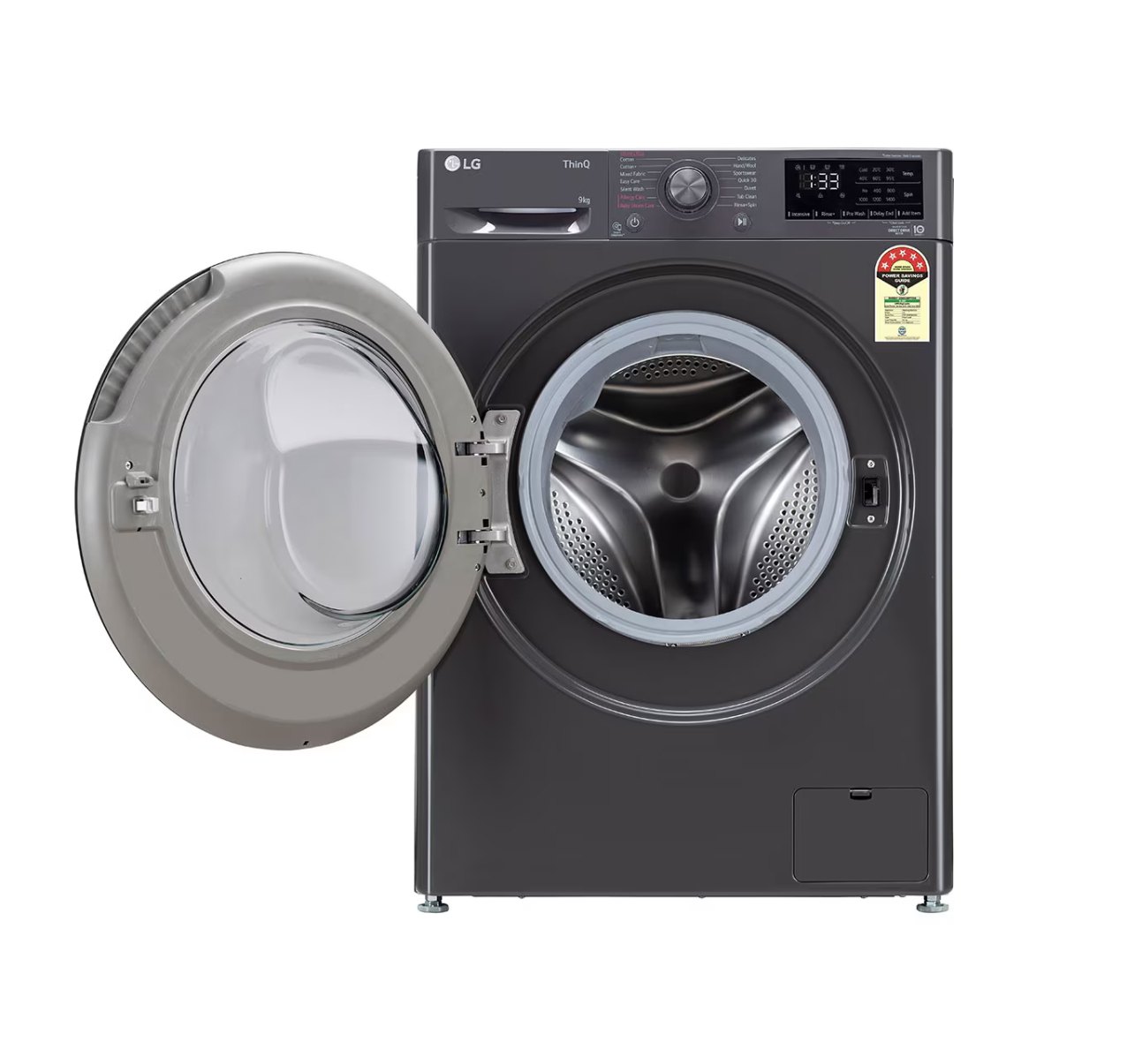
- For Front-Load Washers: The door lock assembly is a more complex mechanism that both latches and locks the door. If this mechanism fails, it won’t send the “all clear” signal to the control board. Check for any debris blocking the latch and listen for the sound of the lock engaging when you try to start a cycle. If you hear nothing, the lock assembly may be faulty.
Is the Timer Knob Aligned Correctly?
This applies mostly to older models with mechanical dials. The timer knob often needs to be pulled out to start the machine and must be aligned perfectly with a cycle setting. Sometimes, if it’s sitting between two settings, it won’t make the proper electrical contact to begin. Try turning the knob through a full rotation and setting it precisely on a common cycle like “Normal” or “Cottons.”
Have You Engaged Child Lock by Accident?
Modern washing machines are packed with features, including a Child Lock function. It’s surprisingly easy to activate this by mistake. When engaged, it can prevent the machine from starting or responding to button presses. Check your user manual (or look for a small lock symbol on the control panel) to find the button combination required to disable it. It’s often a matter of holding down two specific buttons for three to five seconds.
Bảng trống.When to Call a Professional Technician
If you’ve gone through all the steps above and your washer still won’t power on, the problem likely lies deeper within the machine’s electronics. At this point, it’s wise to call a professional. Continuing on your own without the right tools and expertise could cause more damage or pose a safety risk.
These more complex issues include:
- A Faulty Main Control Board: Think of this as the washer’s brain. If it’s fried from a power surge or has simply failed, nothing will work. Replacing it can be tricky and expensive.
- Internal Wiring Issues: A wire could have come loose or shorted out inside the machine’s housing.
- A Blown Internal Fuse: Some washers have an internal line fuse that acts as a last line of defense. Replacing it requires opening up the machine’s console.
“The most common mistake I see homeowners make is trying to diagnose a control board with no experience,” says John Carter, a certified appliance technician with over 15 years in the field. “You can easily cause a short and damage a brand new, expensive part if you don’t know what you’re doing. If you’ve checked the power and the door switch, it’s usually time to call for backup.”
Frequently Asked Questions (FAQ)
Why did my washer suddenly stop working with no power?
The most frequent causes for a sudden stop are a tripped circuit breaker, a faulty lid/door switch, or an engaged child lock. Start by checking your home’s electrical panel and ensuring the washer’s door is properly closing and latching.
How much does it cost to fix a washer that won’t turn on?
The cost can vary dramatically. If it’s a simple fix like a lid switch, the part might cost between $20-$50, and you can replace it yourself. If the main control board needs replacing, you could be looking at a repair bill of $300-$500 or more, including labor.
Can a power surge stop a washing machine from turning on?
Absolutely. A significant power surge can trip your circuit breaker or, in a worst-case scenario, damage the machine’s sensitive electronic control board. This is why resetting the breaker should always be one of your first steps after an outage or surge.
How do I reset my washing machine?
Most modern washing machines can be reset by simply unplugging them from the wall for 5-10 minutes. This allows the internal computer to fully power down and clear any minor electronic glitches. After plugging it back in, try to start a cycle as normal.
Is it worth repairing an old washer that won’t start?
A good rule of thumb is the 50% rule. If the estimated cost of the repair is more than 50% of the price of a new, comparable washing machine, it’s generally more economical to replace it. Also, consider the age; if your washer is over 8-10 years old, investing in a new, more energy-efficient model is often a smarter long-term decision.
Your Next Load Awaits
Facing a dead appliance is frustrating, but don’t let it overwhelm you. By following these troubleshooting steps, you’ve covered all the most common reasons why a washer won’t start. More often than not, the solution is simple and requires no special tools. Understanding how to fix a washer that wont turn on yourself not only saves you money but also empowers you as a homeowner. Now, go give that start button another press—hopefully, you’ll be greeted with the welcome sound of rushing water.