To clean a washing machine effectively, you should use white vinegar and baking soda to eliminate odors, soap scum, and mineral deposits. For front-loading machines, clean the rubber gasket and detergent dispenser, then run two hot cycles: one with two cups of white vinegar and a second with half a cup of baking soda. For top-loading machines, fill the drum with hot water, add four cups of white vinegar for a one-hour soak, complete the cycle, then run another hot cycle with one cup of baking soda.
That unpleasant smell is usually the result of a buildup of soap scum, mineral deposits from hard water, and even mold or mildew that thrives in the warm, damp environment. Over time, this gunk can get trapped in the drum, gasket, and dispenser, eventually transferring back onto your clothes. But don’t worry, you don’t need to call in a professional. With a few common household items, you can get your machine back to its pristine, odor-free state.
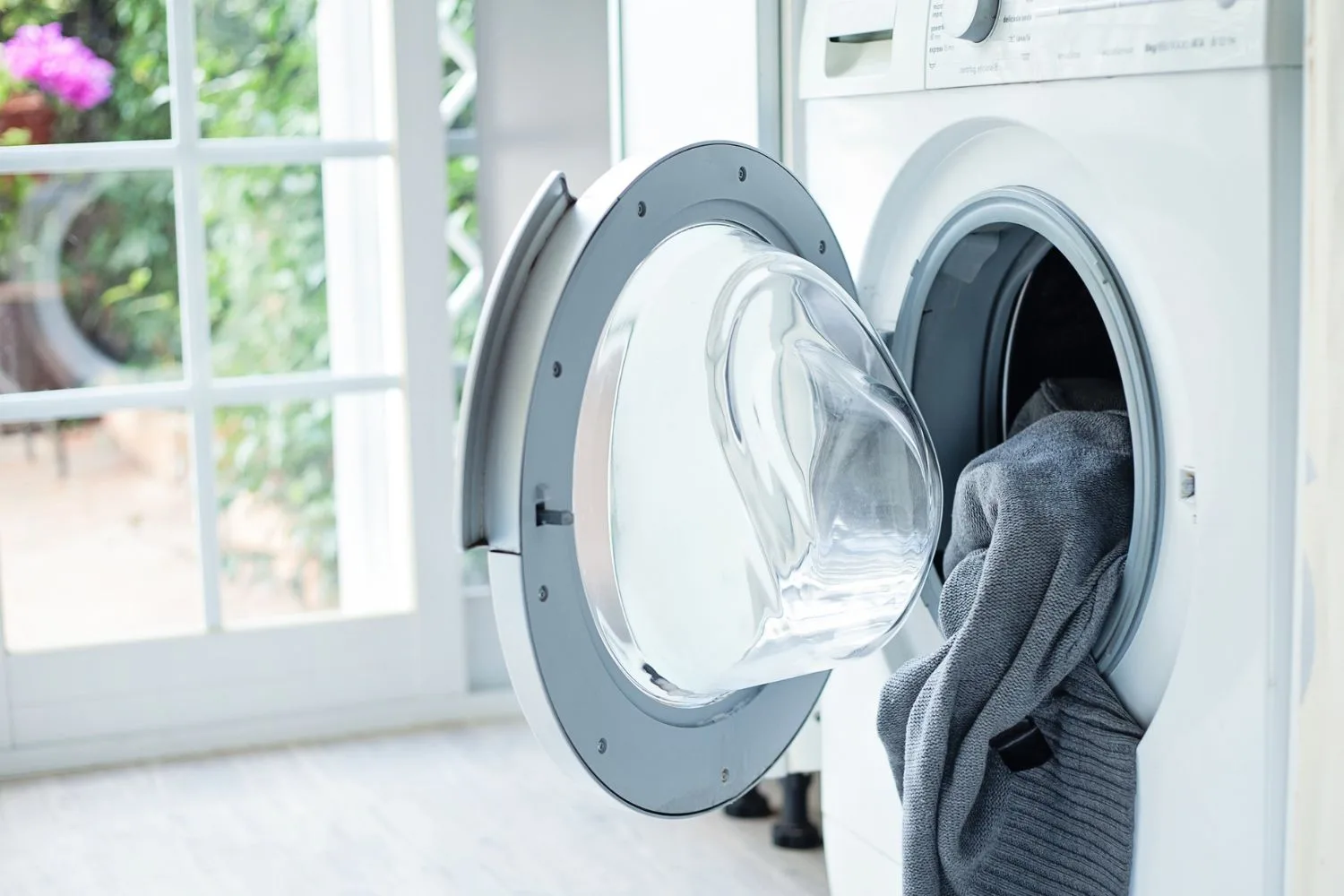 For see our washing machine recommendations on this site.
Why Does My Washing Machine Smell?
Before we dive into the nitty-gritty of cleaning, it helps to understand the culprits behind the funk. Think of your washer as a battlefield. After every wash, there are survivors.
- Soap Scum & Detergent Residue: Using too much detergent, especially in a high-efficiency (HE) machine, is a primary cause. The excess soap doesn’t rinse away completely, leaving a sticky film that traps dirt and bacteria.
- Mold and Mildew: The rubber gasket on a front-loading machine is a classic breeding ground for mold. It traps moisture and lint, creating the perfect dark, damp home for mildew to flourish.
- Hard Water Minerals: If you live in a hard water area, calcium and magnesium deposits can build up inside your machine’s components, reducing its efficiency and contributing to grime.
- Lint and Debris: Small fibers from clothes, bits of tissue left in pockets, and other debris can accumulate in the filter and other hidden spots, where they decompose and create odors.
Now that we know the enemy, let’s get to the battle plan.
How to Clean a Washing Machine: The Ultimate Guide
The cleaning process varies slightly depending on whether you have a front-loading or top-loading machine. We’ll cover both in detail. All you’ll need are two powerhouse cleaners you probably already have: white vinegar and baking soda.
For Front-Loading Washing Machines
Front-loaders are fantastic for efficiency, but that rubber door seal (the gasket) needs special attention.
- Clean the Gasket: This is ground zero for mold. Mix a solution of equal parts water and white vinegar in a spray bottle. Gently pull back the rubber gasket and spray the entire area thoroughly. Let it sit for a few minutes, then wipe it down with a clean microfiber cloth. For stubborn mold spots, you might need an old toothbrush to gently scrub them away. Be sure to get into all the folds.
- Clean the Detergent Dispenser: Remove the dispenser tray completely (most have a release tab). Soak it in hot, soapy water for about 30 minutes. Use a small brush to scrub away any built-up residue, then rinse, dry, and replace it.
- Run a Cleaning Cycle with Vinegar: Pour two cups of white vinegar directly into the detergent dispenser. Run the machine on its hottest, longest cycle. The vinegar’s acidity will work wonders, breaking down soap scum and mineral deposits inside the drum and hoses.
- Run a Second Cycle with Baking Soda: Once the vinegar cycle is complete, sprinkle half a cup of baking soda directly into the drum. Run another hot, long cycle. The baking soda will help neutralize any lingering odors and scrub away any residue loosened by the vinegar.
- Wipe Down and Air Out: After the final cycle, use a clean cloth to wipe down the inside of the drum and the door. Most importantly, leave the door ajar when not in use. This is the single best habit to prevent mold and mildew from returning.
For Top-Loading Washing Machines
Bảng trống.Top-loaders don’t have a gasket issue, but the large drum can still accumulate a lot of buildup.
- Start the Cleaning Cycle: Set your machine to the hottest, largest load setting and let the drum fill with water.
- Add the Vinegar: Once the drum is full, pause the cycle. Add four cups of white vinegar directly into the water. Close the lid and let the mixture agitate for a few minutes to ensure it’s well-mixed.
- Let it Soak: Pause the cycle again and let the vinegar-water solution sit for at least one hour. This gives the vinegar time to work its magic, dissolving buildup on the drum walls and in the hoses.
- Complete the Cycle: After an hour, resume the cycle and let it complete fully, draining the vinegar water.
- Run a Baking Soda Cycle: Immediately start another hot, long cycle. This time, add one cup of baking soda to the water as it fills. Let this cycle run to completion. The baking soda will neutralize odors and give the tub a final polish.
- Wipe It Down: Once finished, use a microfiber cloth dampened with vinegar to wipe down the machine’s top, lid, and around the rim of the drum.
Don’t Forget These Hidden Dirt Traps
A truly deep clean goes beyond the drum. There are a couple of often-neglected spots that can hold a surprising amount of gunk.
The Drain Pump Filter
Most modern front-loading machines have a small access door on the bottom front panel. Behind it is a filter designed to catch lint, coins, and other debris before it clogs your drain pump.
“A clogged drain pump filter is one of the most common service calls I get,” says John Carter, an appliance repair technician with 15 years of experience. “People forget it exists until their machine stops draining. Cleaning it every few months not only prevents odors but can save you a costly repair bill.”
To clean it, place a shallow pan and a towel underneath the access door, as some water will spill out. Slowly unscrew the filter, let the water drain, and then pull it out completely. Remove any lint, hair, or foreign objects, rinse it under running water, and screw it back in securely.
Inlet Hoses and Filters
Over time, sediment can build up in the small filter screens where the water hoses connect to the machine. It’s a good idea to check these once a year. Turn off the water supply, unscrew the hoses from the back of the machine, and use a pair of pliers to gently pull out the small screens. Rinse them clean and pop them back in.
How Often Should You Clean Your Washing Machine?
A little maintenance goes a long way. Sticking to a schedule will keep odors at bay and your machine running smoothly. Here’s a simple checklist:
| Task | Frequency |
|---|---|
| Wipe Gasket & Leave Door Open | After Every Use |
| Wipe Down Exterior | Weekly |
| Clean Detergent Dispenser | Monthly |
| Run a Vinegar & Baking Soda Cycle | Monthly |
| Clean the Drain Pump Filter | Every 3-4 Months |
| Check Inlet Hoses | Annually |
Pro Tips for a Permanently Fresh Machine
Cleaning is reactive, but the best strategy is proactive. Adopt these habits to keep your washer in top shape:
- Use the Right Detergent: Always use a detergent labeled for high-efficiency (HE) machines if you have one. They produce fewer suds and are designed to work with less water.
- Measure Correctly: More is not better. Using too much detergent is the number one cause of residue buildup. Follow the manufacturer’s recommendations for your load size.
- Remove Wet Clothes Promptly: Don’t let wet laundry sit in the machine. This creates a humid environment perfect for mildew growth.
- Leave the Door Open: We said it before, but it bears repeating. Airflow is the best defense against a musty-smelling machine.
Frequently Asked Questions
Can I use bleach to clean my washing machine instead of vinegar?
Yes, you can use bleach, but never mix it with vinegar, as this creates toxic chlorine gas. If you use bleach, run a hot cycle with one cup of bleach, followed by a separate rinse cycle, and then a final hot cycle with baking soda. Many people prefer vinegar as a more natural and less harsh alternative.
What is the black gunk on my front-loader’s rubber seal?
That black stuff is almost certainly a combination of mold and mildew. Follow the gasket cleaning steps using a vinegar solution and a soft brush to remove it. If it’s very stubborn, you may need a specialized washing machine cleaner.
Will cleaning my washing machine damage it?
No, using household items like white vinegar and baking soda is perfectly safe for your machine. In fact, regular cleaning prevents damage by removing corrosive mineral deposits and soap scum that can harm internal components over time.
How do I know if my drain pump filter is clogged?
The most common signs are water remaining in the drum after a cycle, clothes that are excessively wet, longer than usual cycle times, or unusual noises during the drain cycle.
Why are there still white streaks on my dark clothes after cleaning the machine?
This is likely undissolved detergent residue. It can be caused by using too much powder detergent, washing in water that’s too cold, or overloading the machine. Try using less detergent, switching to liquid, or selecting a warmer water temperature.
By taking an hour every month to clean a washing machine, you’re not just getting rid of bad smells. You’re investing in the longevity of your appliance, the cleanliness of your clothes, and a fresher, more efficient home. So go ahead, give your hardest-working appliance the spa day it deserves. You—and your laundry—will be glad you did.
Frequently Asked Questions
Can I use bleach to clean my washing machine instead of vinegar?
Yes, you can use bleach, but never mix it with vinegar as this creates toxic chlorine gas. If you opt for bleach, run a hot cycle with one cup of bleach, followed by a separate rinse cycle, and then a final hot cycle with baking soda. Many people prefer vinegar as a more natural and less harsh alternative for cleaning.
What is the black gunk on my front-loader's rubber seal?
The black gunk on your front-loader's rubber seal is almost certainly a combination of mold and mildew. To remove it, follow the gasket cleaning steps using an equal parts water and white vinegar solution and a soft brush. For very stubborn spots, a specialized washing machine cleaner may be necessary.
Will cleaning my washing machine damage it?
No, using common household items like white vinegar and baking soda is perfectly safe for your washing machine. In fact, regular cleaning actually prevents damage by removing corrosive mineral deposits and soap scum that can harm internal components over time, extending the appliance's lifespan.
How do I know if my washing machine's drain pump filter is clogged?
The most common signs of a clogged drain pump filter include water remaining in the drum after a cycle, clothes that are excessively wet, longer than usual cycle times, or unusual noises during the drain cycle. Cleaning this filter every 3-4 months can prevent these issues.
Why are there still white streaks on my dark clothes after cleaning the machine?
White streaks on dark clothes after cleaning the machine are typically caused by undissolved detergent residue. This can result from using too much powder detergent, washing in water that is too cold, or overloading the machine. Try using less detergent, switching to liquid, or selecting a warmer water temperature for better results.
Clean a Front-Loading Washing Machine
Follow these steps to thoroughly clean your front-loading washing machine, focusing on the gasket and using vinegar and baking soda for a deep clean.
Mix equal parts water and white vinegar in a spray bottle. Gently pull back the rubber gasket and spray the entire area thoroughly. Let it sit for a few minutes, then wipe it down with a clean microfiber cloth, using an old toothbrush for stubborn mold spots.
Remove the dispenser tray and soak it in hot, soapy water for about 30 minutes. Use a small brush to scrub away any built-up residue, then rinse, dry, and replace it securely.
Pour two cups of white vinegar directly into the detergent dispenser. Run the machine on its hottest, longest cycle. The vinegar's acidity will break down soap scum and mineral deposits inside the drum and hoses.
Once the vinegar cycle is complete, sprinkle half a cup of baking soda directly into the drum. Run another hot, long cycle. The baking soda will neutralize lingering odors and scrub away any residue loosened by the vinegar.
After the final cycle, use a clean cloth to wipe down the inside of the drum and the door. Most importantly, leave the door ajar when not in use to prevent mold and mildew from returning.
Get our weekly buyer guide
Practical specs, not advice. Unsubscribe anytime.
This saved me from buying a new washing machine! I thought the mold and mildew buildup was permanent, but the detailed steps for using common household items like vinegar and baking soda really worked wonders. My machine is sparkling, and there’s no more gross residue transferring to my clothes. So glad I found this.
I followed the guide for my front-loader, specifically the two hot cycles. While the machine does smell better, I found that the detergent dispenser still had some gunk left behind. I had to go back and scrub that part manually. It’s a good starting point, but maybe more emphasis on the dispenser cleaning would be helpful.
I was at my wit’s end with the musty smell coming from my front-loader. I tried everything, but nothing worked until I followed these steps. The tip about cleaning the rubber gasket was a game-changer! My clothes finally smell fresh again, and the machine looks so much cleaner. Highly recommend this method.
My top-loading machine always had that weird, lingering odor, and I suspected it was hard water deposits. The instructions for using white vinegar and baking soda were super clear. It took a bit of time with the soaking, but the difference is noticeable. It’s not 100% gone, but it’s much, much better.