Let’s be honest, we’ve all been there. Staring at a mountain of laundry, grabbing the detergent bottle, and just… guessing. A little extra for those muddy soccer uniforms, a little less for the delicates. But figuring out exactly How Much Laundry Detergent To Use feels more like a dark art than a science. The truth is, using the wrong amount is one of the most common laundry mistakes, and it’s costing you money, damaging your clothes, and even hurting your washing machine.
As the lead expert here at Washing Machinee, I’ve seen the aftermath of “detergent guesswork” more times than I can count. From clothes that feel stiff and sticky to machines gunked up with residue, the problem is real. But the solution is surprisingly simple once you understand the key factors at play. This guide will demystify the process for good, turning you into a laundry pro who gets perfectly clean clothes every single time.
Why Getting the Right Amount of Detergent Matters So Much
Before we dive into the “how,” let’s talk about the “why.” You might think, “What’s the harm in a little extra soap?” Well, it turns out, quite a lot.
The Problem with Using Too Much Detergent
Pouring in extra detergent doesn’t make your clothes cleaner. In fact, it does the opposite.
- Creates Soap Scum: Excess suds can’t be fully rinsed away. This leaves a sticky residue on your clothes that attracts more dirt and bacteria. It’s why your towels might feel stiff or your darks look faded.
- Damages Your Washer: This residue builds up inside your machine, especially in high-efficiency (HE) models. It can lead to mold, mildew, unpleasant odors, and can even damage the machine’s sensors and pumps over time.
- Irritates Your Skin: That leftover detergent residue is a common cause of skin irritation and allergic reactions.
- Wastes Money: This one is simple. You’re literally pouring money down the drain with every oversized capful.
The Problem with Using Too Little Detergent
On the flip side, skimping on soap isn’t a great strategy either.
- Doesn’t Clean Properly: Dirt, oils, and grime won’t be effectively removed, leaving your clothes looking dingy and smelling less than fresh.
- Allows Minerals to Redeposit: In areas with hard water, not using enough detergent means minerals can redeposit onto your clothes, making whites look gray or yellow.
The 4 Key Factors That Determine How Much Detergent to Use
The secret to perfect laundry isn’t a magic number; it’s about adjusting to four key variables. Once you master these, you’ll know exactly what to do for any load.
1. Your Washing Machine Type (HE vs. Traditional)
This is the single most important factor. Is your machine a modern high-efficiency (HE) model (usually front-loaders and some top-loaders without a central agitator) or a traditional, deep-fill top-loader?
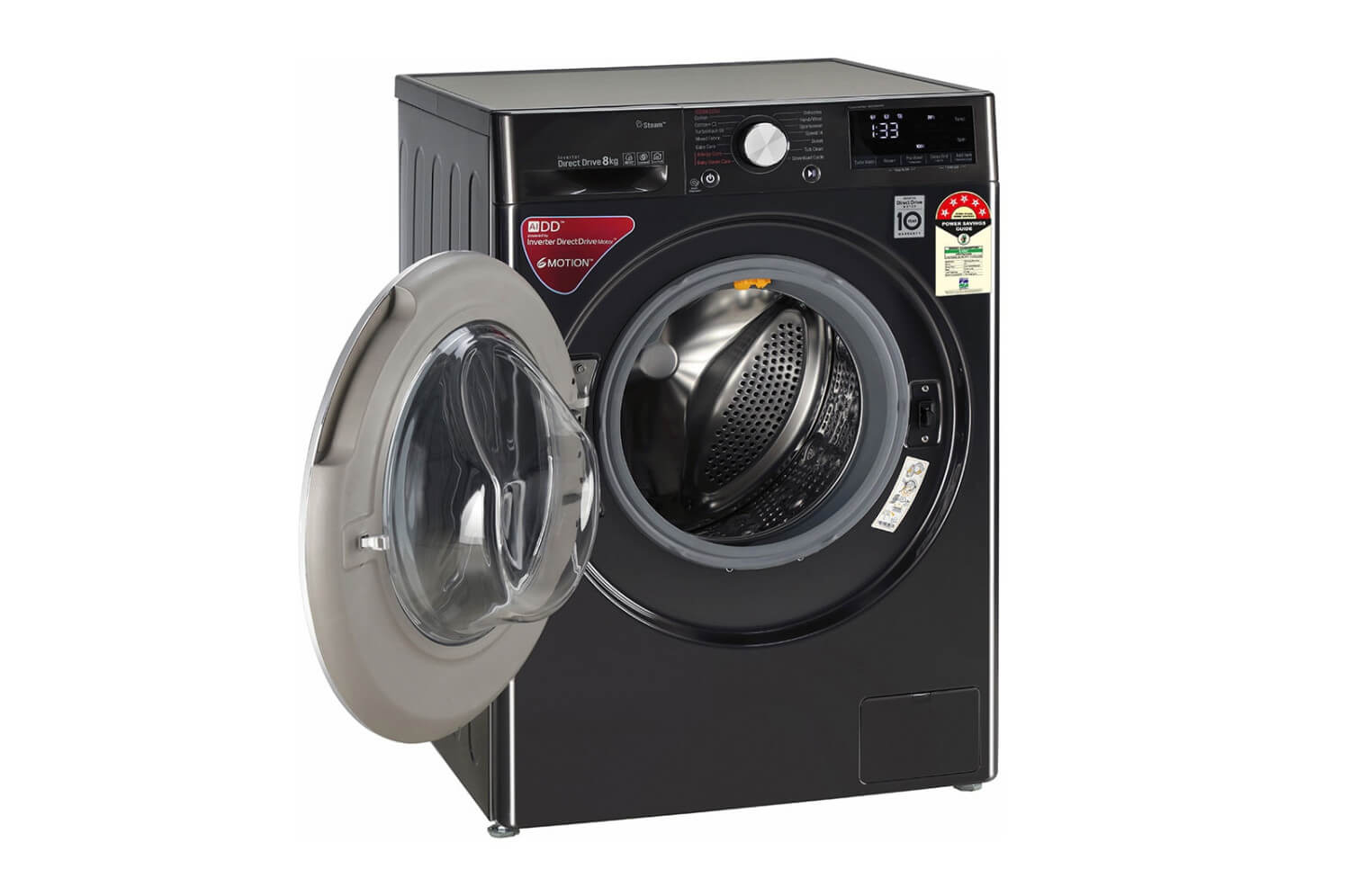
- High-Efficiency (HE) Washers: These machines are brilliant. They use significantly less water than older models. Because there’s less water, they require a special, low-sudsing HE detergent. Using regular detergent in an HE machine will create a massive bubble-bath situation, which can damage the machine and won’t rinse out properly. HE machines need far less detergent—often just a couple of tablespoons.
- Traditional Top-Loaders: These old-school workhorses use a lot more water to submerge the clothes. They can handle more suds and require a bit more detergent to get the job done effectively.
Expert Take: John Carter, a certified appliance technician with over 15 years of experience, told us: “The most common service call I get for a ‘broken’ HE washer is actually just extreme detergent buildup. People are still using amounts suitable for their old machines. It clogs the system and throws off the sensors. Always look for the ‘HE’ symbol on your detergent and trust that a small amount goes a long way.”
2. The Type of Detergent (Liquid, Powder, or Pods)
The form of your soap matters.
- Liquid Detergent: The most popular choice for a reason. It’s great for pre-treating stains and dissolves easily in all water temperatures. The measurement lines on the cap are a guideline, not a rule. Most people should be using the “1” or “2” line for a normal load, not filling the whole cap.
- Powder Detergent: Generally more affordable and very effective on tough, muddy stains. The key is to make sure it fully dissolves. It’s best to add it to the drum before you add the clothes, especially if you’re washing in cold water.
- Detergent Pods: The ultimate in convenience. They’re pre-measured, so it’s hard to get the amount wrong. However, you lose flexibility. For a very small load, one pod might be too much, and for a massive, heavily soiled load, you might need two. Never use them in a dispenser drawer; toss them directly into the drum before adding clothes.
3. Your Water Hardness
This is the secret variable most people never consider. Hard water contains high levels of minerals (like calcium and magnesium) that fight against your detergent, making it less effective. Soft water doesn’t have this problem.
- How to Tell? If you notice a white, chalky buildup on your faucets or your soap doesn’t lather well, you likely have hard water. You can also get a simple test kit online or check your local municipality’s website.
- Adjusting for Water Hardness:
- Hard Water: You’ll need to use slightly more detergent than recommended. You might need to add about 30-50% more to get a proper clean.
- Soft Water: You’re in luck! You can get away with using less detergent than recommended, often 30% less. Using too much in soft water will create an excess of suds that are very difficult to rinse out.
4. Load Size and Soil Level
Finally, we get to the most intuitive factors: how many clothes are you washing, and how dirty are they?
- Read the Label: Start by reading the back of your detergent box or bottle. The manufacturer provides a baseline. We’re going to adjust from there.
- Consider Load Size:
- Small Load (about 1/3 full): Use about half of the recommended amount for a normal load.
- Normal Load (about 1/2 to 2/3 full): Use the baseline recommendation (e.g., line 1 or 2 on a liquid cap).
- Large/Heavy Load (full drum, but not tightly packed): Use the full recommended amount or slightly more (e.g., line 3 on the cap).
- Assess Soil Level:
- Lightly Soiled (office wear, clothes worn for a few hours): You can get away with a little less detergent.
- Heavily Soiled (sports gear, work clothes, kids’ play clothes): You’ll need the full recommended amount, and you may want to pre-treat stains.
A Quick Cheat Sheet for Measuring Detergent
Feeling overwhelmed? Let’s simplify. This table is a great starting point for an HE washing machine.
| Load Size | Soil Level | Liquid Detergent | Powder Detergent | Pods |
|---|---|---|---|---|
| Small | Light | 1 Tablespoon | 2 Tablespoons | 1 |
| Medium | Normal | 2 Tablespoons | 4 Tablespoons | 1 |
| Large | Heavy | 3-4 Tablespoons | 6-8 Tablespoons | 2 |
Remember to adjust up for very hard water and down for very soft water.
Frequently Asked Questions (FAQ)
What are the signs I’m using too much laundry detergent?
The most common signs are clothes that feel stiff, sticky, or soapy after drying. You might also notice your towels are less absorbent, or a musty smell coming from your washing machine, which is a sign of residue buildup. Excessive suds during the wash cycle are the most obvious clue.
Can I use regular detergent in my HE washer?
No, you should never do this. Regular detergents are formulated to create a lot of suds. In a low-water HE machine, these suds won’t get rinsed away, leading to poor cleaning performance, residue on clothes, and potential damage to the machine’s electronics and pump. Always look for the “HE” logo.
Are detergent pods better than liquid detergent?
“Better” depends on your priorities. Pods offer unbeatable convenience and prevent overdosing, which is great for most people. Liquid detergent offers more flexibility for adjusting the amount for different load sizes and for pre-treating stains directly.
Does powder detergent dissolve in cold water?
Most modern powder detergents are formulated to dissolve in cold water, but it can sometimes be a challenge. To ensure it dissolves completely, add the powder to the empty drum first, then start the water before adding your clothes. This gives it time to break down.
How do I get rid of detergent buildup in my washing machine?
To remove soap scum and prevent odors, run a cleaning cycle on your machine once a month. Place one cup of white vinegar in the detergent dispenser and run the hottest, longest cycle available on your empty machine. You can also find specialized washing machine cleaning tablets for this purpose.
The Takeaway: Less Is Almost Always More
Mastering how much laundry detergent to use is a game-changer. It’s not about filling the cap to the top; it’s about making smart adjustments based on your machine, water, and laundry load. By starting with a smaller amount and paying attention to the results, you’ll find the perfect balance for your home. Your clothes will be cleaner, your washing machine will last longer, and you’ll even save a little money along the way.
Now we want to hear from you! Have you had a laundry disaster from using too much soap? Share your story or your own laundry tips in the comments below. For more expert advice, check out our reviews of the best eco-friendly detergents on the market.