The best front load washer for most families is a standard capacity model (4.2 – 5.0 cu. ft.) with a spin speed of 1200 RPM or more, and an Energy Star certification. These features ensure efficient cleaning, faster drying times, and significant energy and water savings over the appliance’s 10-13 year lifespan. Finding the best front load washer isn’t just about buying an appliance; it’s about reclaiming a little bit of your sanity. When you’re staring at a wall of shiny machines with dozens of buttons and features you’ve never heard of, it’s easy to feel overwhelmed. This guide will help you find the perfect laundry sidekick for your home.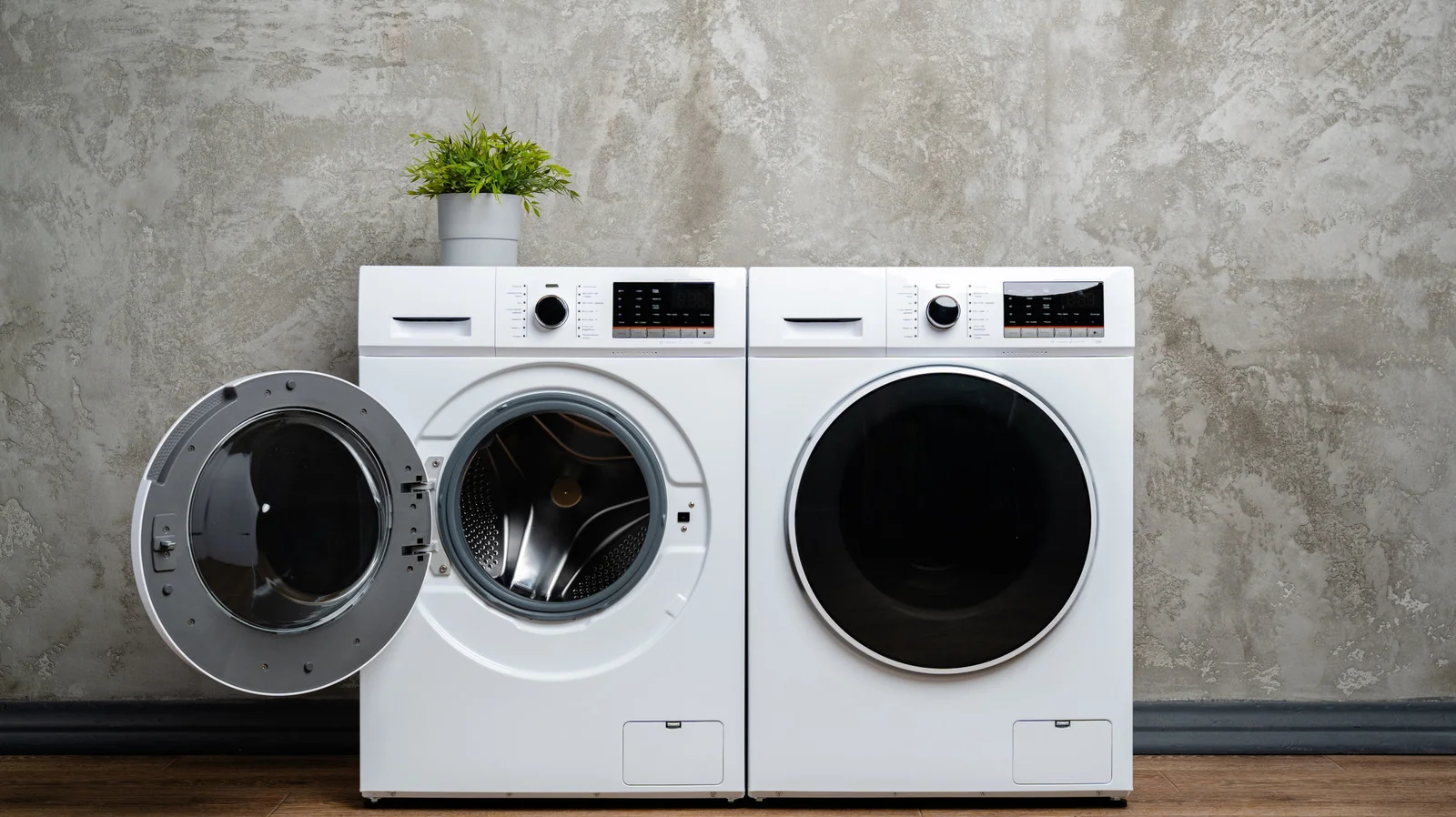
Why Choose a Front Load Washer in the First Place?
Before we dive into the nitty-gritty, let’s quickly touch on why you’re probably leaning towards a front-loader. For years, top-load washers were the standard in many homes, but front-loaders have become incredibly popular for a few key reasons.
- Superior Cleaning Performance: Their tumbling wash action is generally gentler on your clothes but more effective at removing tough stains. Gravity does half the work!
- Incredible Efficiency: They use significantly less water and, because they can spin faster, they extract more water from your clothes. This means less work for your dryer and lower energy bills. We’re talking real, measurable savings.
- Space-Saving Potential: Most front load washers are stackable. If you’re tight on space in your laundry room or closet, this is a game-changer.
Of course, it’s not all sunshine and roses. You do have to bend down to load and unload them, and they require a bit more maintenance to prevent musty smells—but don’t worry, we’ll cover how to easily deal with that later. For complete washing machine library on this site.
Decoding the Features: What Really Matters?
Alright, let’s break down the jargon. When you’re shopping for the best front load washer, these are the features that will actually make a difference in your day-to-day life.
What Size Washer Capacity Do I Need?
Washer capacity is measured in cubic feet (cu. ft.). It might sound abstract, but it’s probably the most important decision you’ll make.
- Compact (2.2 – 2.5 cu. ft.): Perfect for apartments, couples, or individuals. They can typically handle a normal-sized load but might struggle with a big, fluffy king-size comforter.
- Standard (4.2 – 5.0 cu. ft.): This is the sweet spot for most families. A washer in this range can comfortably wash about 12-16 full-size bath towels at once. It’s large enough to handle that king-size comforter without breaking a sweat.
- Extra-Large (5.0+ cu. ft.): If you have a large family or find yourself doing laundry constantly, one of these mega-capacity machines can be a lifesaver, letting you wash huge loads at once.
Pro Tip: Don’t just buy the biggest one you can afford. An oversized washer that’s consistently under-filled can be less efficient. Match the size to your family’s actual needs.
Why Does Spin Speed (RPM) Matter?
Bảng trống.Spin speed is measured in revolutions per minute (RPM). A higher RPM means the drum spins faster, wringing more water out of your laundry. While you might not think about it, this has a huge impact.
A washer with a higher RPM (think 1200 RPM or more) can significantly cut down on drying time. Your clothes come out damp, not sopping wet. This not only saves you time but also reduces the energy your dryer consumes, saving you money in the long run.
Are Steam and Sanitize Cycles Worth It?
Many modern front-loaders come with a host of special cycles. Two of the most useful are steam and sanitize.
- Steam: This feature is fantastic for refreshing clothes that aren’t dirty enough for a full wash or for relaxing wrinkles to make ironing easier. It can also help to deeply penetrate fabric to lift stubborn stains.
- Sanitize: If you have a family member with allergies, a new baby, or just want peace of mind, a sanitize cycle is a must. It uses extra-hot water or steam to kill 99.9% of common household bacteria.
Smart Features: Are They a Gimmick or a Game-Changer?
Wi-Fi connected washers that you can control from your phone sound futuristic, but are they practical? For many people, yes! Imagine getting a notification on your phone when the cycle is done, so your wet clothes don’t sit in the washer all day. Some apps even let you download custom wash cycles or troubleshoot problems directly from your phone. If you’re a tech-savvy person who loves convenience, smart features can be a fantastic addition.
A Crucial Tip: Preventing Mold and Mildew
Let’s address the elephant in the room. The number one complaint about front-loaders is the potential for a musty smell. This is caused by soap residue and moisture getting trapped in the rubber door gasket. But preventing it is incredibly simple.As a seasoned appliance expert, let me share a golden rule I’ve learned over the years.
“The most common mistake I see is people closing the washer door immediately after a cycle. That traps moisture and creates a perfect breeding ground for mildew. It’s a simple habit that makes all the difference.” – John Carter, Appliance Technician, 15 years of experience.
Here’s a simple checklist to keep your machine fresh:
- Wipe the Gasket: After your last load of the day, take a dry cloth and quickly wipe down the inside of the rubber door seal.
- Leave the Door Ajar: When not in use, leave the washer door cracked open to allow air to circulate and dry out the drum.
- Use the Right Detergent: Always use detergent labeled “HE” (High-Efficiency). Regular detergents create too many suds, leaving behind a residue that feeds mildew.
- Run a Cleaning Cycle: Most modern washers have a “Self Clean” or “Tub Clean” cycle. Run this once a month to wash away any buildup. You can learn more about this in our [guide to washer maintenance].
So, What is the Best Front Load Washer for You?
The “best” machine is subjective; it’s the one that fits your lifestyle, space, and budget.
- For the busy family: Look for a large capacity model (4.5 cu. ft. or more) with a quick wash cycle and a sanitize option. Smart features can also be a huge help for managing laundry on the go.
- For the apartment dweller: A compact, stackable unit is your best friend. Look for models under 27 inches wide that have good vibration reduction technology.
- For the budget-conscious: You don’t need all the bells and whistles. Focus on the core performance: a solid capacity, good spin speed (1200+ RPM), and an Energy Star certification to ensure long-term savings.
Frequently Asked Questions
How long should a good front load washer last?
A quality front load washer should last you about 10 to 13 years with proper use and regular maintenance. Sticking to that simple cleaning routine we talked about is key to its longevity.
Are front load washers louder than top load washers?
Generally, no. Modern front-loaders, especially those with advanced vibration reduction technology, are often significantly quieter than their top-load counterparts, particularly during the high-speed spin cycle.
Can I use regular detergent in a front load washer?
Absolutely not. You must use High-Efficiency (HE) detergent. It’s specifically formulated to be low-sudsing. Using regular detergent will create an overwhelming amount of foam that can damage the machine’s sensors and leave a nasty residue.
Do all front load washers have a mold problem?
No, they don’t inherently have a mold problem, but they have the potential for one if not cared for. By simply wiping the gasket and leaving the door open after use, you can easily prevent any musty odors from ever developing.
Is it worth paying more for an Energy Star certified washer?
Yes, 100%. An Energy Star certified washer uses about 25% less energy and 33% less water than a standard model. While it might cost a bit more upfront, it will pay for itself over its lifetime through lower utility bills.
Your Laundry Room, Upgraded
Choosing the best front load washer for your home is a big decision, but it doesn’t have to be a stressful one. By focusing on the essentials—the right capacity for your family, the efficiency to save you money, and the features that genuinely make your life easier—you can find a machine that turns laundry day from a chore into a breeze. Take these tips, trust your gut, and get ready to conquer that laundry pile for good.
Frequently Asked Questions
How long should a good front load washer last?
A quality front load washer should last approximately 10 to 13 years with proper use and regular maintenance. Consistent cleaning of the gasket and leaving the door ajar after use are key to maximizing its longevity.
Are front load washers louder than top load washers?
Generally, modern front-loaders are not louder than top-load washers. Many models incorporate advanced vibration reduction technology, making them significantly quieter, especially during the high-speed spin cycle, compared to older top-load counterparts.
Can I use regular detergent in a front load washer?
No, you must exclusively use High-Efficiency (HE) detergent in a front load washer. Regular detergents produce excessive suds that can damage the machine's sensors, lead to residue buildup, and potentially cause malfunctions.
Do all front load washers have a mold problem?
Front load washers do not inherently have a mold problem, but they have the potential for one if not properly maintained. Wiping the rubber door gasket and leaving the door cracked open after each use are simple steps to prevent musty odors and mildew development.
Is it worth paying more for an Energy Star certified washer?
Yes, it is 100% worth paying more for an Energy Star certified washer. These models use about 25% less energy and 33% less water than standard washers, leading to significant long-term savings on utility bills that offset the initial higher cost.
Get our weekly buyer guide
Practical specs, not advice. Unsubscribe anytime.
The advice about looking for a spin speed of 1200 RPM or more was spot on. Our old machine left clothes pretty damp, but this new one really wrings them out, cutting down on dryer time significantly. I appreciate the energy savings too, especially with how often we do laundry. It’s a solid machine and does exactly what we need it to.
I followed the recommendation for an Energy Star certified model, and while it’s good on utility bills, I’m a little disappointed with the noise level during the spin cycle. It’s not terrible, but definitely louder than I expected for a modern appliance. Otherwise, it cleans well and the capacity is great for our family, but I wish it was a bit quieter.
This guide was a lifesaver! I’ve always had top-loaders, but decided to switch to a front-loader after reading about the benefits. The focus on efficiency and faster drying times really sold me. Our new machine is fantastic, and I can already tell it’s going to last us a long time. Highly recommend considering these features when buying.
I was so overwhelmed trying to pick a new washer, but focusing on the 4.2 – 5.0 cu. ft. capacity really helped narrow it down. We’re a family of four, and this size is perfect for handling all our laundry without needing to run multiple loads. The clothes come out super clean, and I’ve noticed a real difference in how much drier they are after the spin cycle. Definitely a great guide for anyone feeling lost in the washer aisle!