Let’s be honest, the term “high-efficiency” gets thrown around a lot these days. It’s on our light bulbs, our refrigerators, and yes, our washing machines. But when you’re standing in a store staring at a row of shiny appliances, What Is A High Efficiency He Washer really, and how is it different from the machine your parents had? The one that sounded like a jet engine preparing for takeoff and probably used enough water to fill a small swimming pool each cycle.
That’s the core question we’re going to unravel today. Think of me as your personal laundry guru. We’re going to cut through the marketing jargon and get down to what an HE washer means for your clothes, your wallet, and your daily life. By the end of this, you’ll not only understand what they are but also be able to decide if one is right for you.
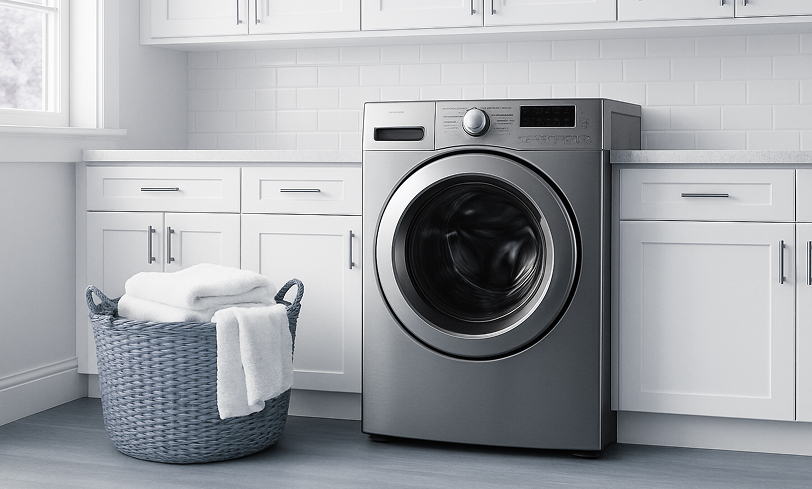
The Heart of the Matter: What Defines a High Efficiency HE Washer?
A high efficiency (HE) washer is a type of washing machine specifically engineered to conserve water and energy. Unlike traditional washers that fill the entire tub with water, HE machines use sophisticated sensors and unique wash motions to clean clothes effectively with significantly less water and, consequently, less energy to heat that water.
The magic isn’t in some secret formula; it’s in the design. Whether it’s a front-loader that tumbles clothes through a shallow pool of water or a top-loader with a special low-profile impeller plate, the goal is the same: use friction of the clothes rubbing against each other, not a deep-water soak, to get the dirt out.
The Great Debate: HE vs. Traditional Washers
The real difference becomes clear when you put them side-by-side. It’s like comparing a modern smartphone to a rotary phone—they both make calls, but how they do it is worlds apart.
| Feature | Traditional Washer | High Efficiency (HE) Washer |
|---|---|---|
| Wash Action | Central agitator churns clothes in a full tub of water. | Tumbles (front-load) or uses an impeller (top-load). |
| Water Usage | 20-40 gallons per load. | 11-15 gallons per load. |
| Energy Usage | Higher, due to heating more water. | Lower, often ENERGY STAR certified. |
| Detergent | Standard detergent. | Requires special, low-sudsing HE detergent. |
| Spin Speed | Slower (around 600 RPM). | Much faster (1000-1600 RPM). |
| Capacity | Smaller, due to the large central agitator. | Larger, as there’s no agitator taking up space. |
| Gentleness | Can be rough on clothes, causing stretching and wear. | Very gentle, extending the life of your fabrics. |
The Agitator vs. The Impeller
The most visible difference in a top-load model is the absence of that classic, tall central agitator. Think of an agitator as a giant stick that twists and turns clothes in a deep pool of water. It’s effective, but it’s not exactly gentle.
HE top-loaders replace this with an impeller—a low-profile cone or disc that spins and sprays water, creating a gentle, turbulent environment where clothes rub against each other to become clean. Front-load HE models do away with both, simply using gravity and a tumbling motion, much like a commercial dryer.
The Special Soap: Why HE Detergent is a Must
This is non-negotiable. Using regular detergent in an HE washer is a recipe for disaster. Why? Because HE washers use so little water, they can’t rinse out the massive amount of suds created by traditional detergents.
This oversudsing can confuse the machine’s sensors, prevent proper rinsing, leave a slimy residue on your clothes, and even cause a buildup of gunk and mold inside the machine. Always look for the ‘he’ symbol on your detergent bottle.
Are There Different Types of HE Washers?
You bet. The technology isn’t limited to one style, which is great news for consumers. You can get all the benefits of high efficiency in the format you prefer.
Front-Load HE Washers
These are the poster children for HE technology. They are known for being the most water and energy-efficient models available. Their tumbling wash action is incredibly gentle on fabrics, and their high-speed spin cycles extract more water, leading to shorter drying times. The only potential downside for some is the need to bend down to load and unload them.
Top-Load HE Washers
For those who prefer the ergonomics of a top-loader, you’re in luck. These machines offer the same water-saving benefits as their front-loading cousins. They use an impeller plate at the bottom of the wash drum instead of an agitator, giving you a massive capacity and a gentler wash than traditional top-loaders. They’re a fantastic middle-ground, blending modern efficiency with a classic design.
Bảng trống.The Real-World Benefits: Why Should You Actually Care?
Okay, we’ve talked tech. But what does a what is a high efficiency he washer search mean for you in practical terms? Here’s the bottom line:
- You’ll Save Money: This is the big one. By using less water, you lower your water bill. By using less hot water, you lower your energy bill. And by spinning clothes drier, you lower the energy bill for your dryer. It’s a triple-win for your utility costs. We’re talking significant savings over the life of the machine.
- Your Clothes Will Last Longer: The gentle tumbling or impeller action causes far less wear and tear on fabrics compared to the aggressive twisting of an agitator. Your favorite t-shirts and delicate items will thank you by looking newer for longer.
- You Can Wash More at Once: No giant agitator means more room for your stuff. You can wash bulky items like comforters and large family-sized loads with ease, which means fewer loads of laundry per week.
- It’s Better for the Planet: The environmental impact is undeniable. Conserving hundreds, even thousands, of gallons of water per year is a significant step towards a more sustainable household.
As John Carter, an appliance technician with over 15 years of experience, often tells his clients, “The biggest mistake people make is treating their new HE washer like their old one. It’s a different beast. Use the right amount of the right soap, and don’t be afraid of the longer cycle times—that’s the machine being smart and efficient.”
Common Myths and Misconceptions Busted
I’ve heard them all in my time. Let’s clear the air on a few common myths surrounding HE washers.
- “They don’t clean as well because they don’t use enough water.”
- False. This is the number one misconception. HE washers clean differently. The combination of specialized detergents, unique wash motions, and load-sensing technology is designed to provide a superior clean with less water.
- “They get moldy and smelly.”
- Partially True, but Preventable. This issue, most common in early front-loaders, is caused by soap scum and moisture buildup in the rubber door gasket. It’s easily prevented by wiping the gasket dry after use, leaving the door ajar between washes, and running a monthly cleaning cycle. Modern machines also have much better ventilation and anti-microbial surfaces.
- “The wash cycles take forever!”
- It Depends. Yes, some cycles on an HE washer can be longer than on a traditional machine. This is because the machine is taking time to properly saturate the clothes with a small amount of water and let the detergent do its work. However, most models also have “Speed Wash” or “Quick Wash” cycles for smaller, lightly soiled loads.
Frequently Asked Questions (FAQ)
Let’s tackle a few more quick questions that pop up all the time.
Can I use regular detergent in an HE washer?
No, absolutely not. Using regular detergent will create too many suds, which can damage the machine’s sensors, leave residue on clothes, and lead to mold and odors. Only use detergents marked with the “he” logo.
Do HE washers really save money?
Yes. While the initial purchase price might be slightly higher, the long-term savings on water and energy bills are substantial. An ENERGY STAR certified washer can save you hundreds of dollars over its lifespan.
Why does my HE washer have a musty smell sometimes?
This is typically due to residue from fabric softener and detergent combined with moisture. To prevent it, use the right amount of HE detergent, leave the door open between cycles, and run a self-clean cycle with a washing machine cleaner once a month.
Are front-load or top-load HE washers better?
“Better” is subjective. Front-loaders are generally the most efficient and gentlest on clothes. Top-loaders are more convenient to load and avoid the potential for door seal mold if you’re not diligent with maintenance. The best choice depends on your personal preference and laundry room setup.
How long do HE washers typically last?
With proper use and regular maintenance, a quality HE washer can be expected to last 10 to 13 years, which is on par with traditional models.
The Final Spin
So, what is a high efficiency he washer? It’s more than just an appliance; it’s a smarter, more economical, and more environmentally friendly way to do laundry. It represents a fundamental shift in how we think about cleaning clothes—moving from a brute-force, high-water approach to a sophisticated, low-water method that delivers better results.
By understanding how they work, using the right detergent, and performing simple maintenance, you can unlock a world of benefits for your clothes, your budget, and the planet. Ready to make laundry day a little more efficient? Start by exploring our in-depth reviews of the latest HE models on the market.