We’ve all been there. It’s an hour before you need to leave, and you realize your favorite shirt, the one you absolutely have to wear, is sitting in the hamper. The panic sets in. The big question pops into your head: Can You Wash Just One Item In A Washing Machine? It feels wrong, almost wasteful, but you’re in a pinch. As the chief consultant here at Washing Machinee, I’ve heard this question more times than I can count, and the answer isn’t a simple yes or no.
The short answer is yes, you can. But the more important answer is that you probably shouldn’t make a habit of it. Let’s dive into what’s really happening inside that drum and why washing a solo item can be a recipe for trouble for both your machine and your clothes.
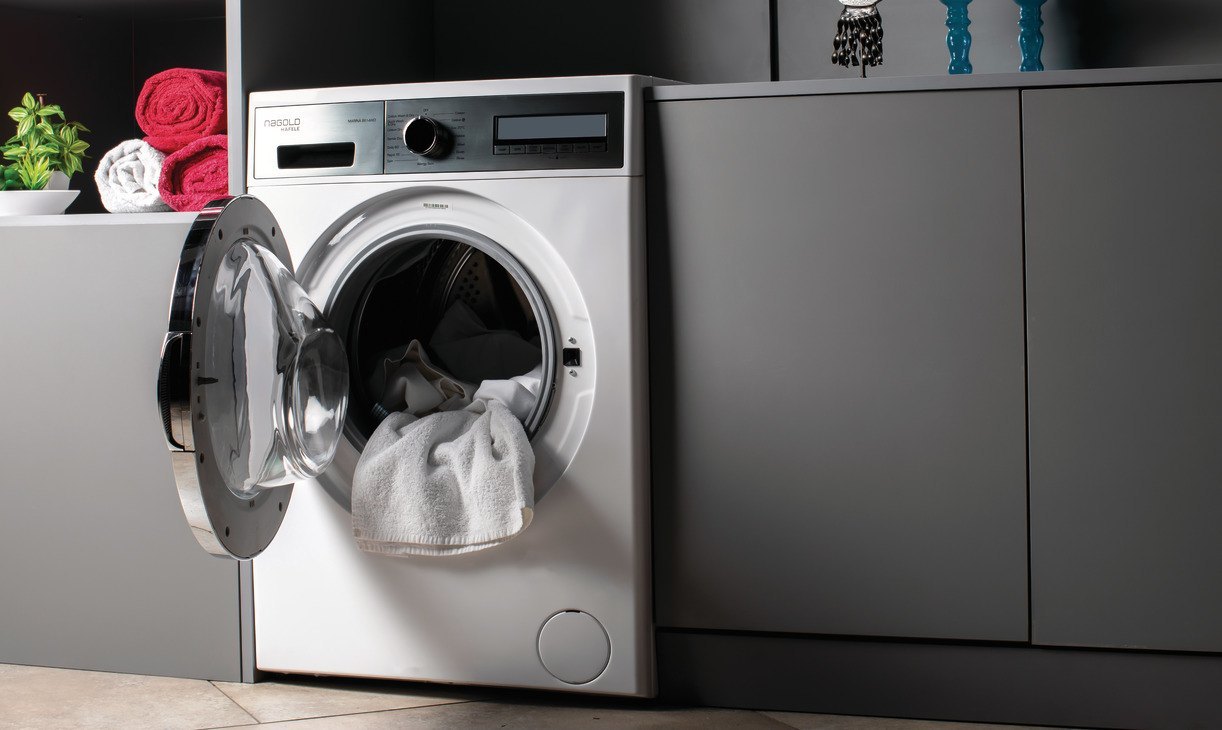
What Actually Happens When You Wash a Single Item?
Think of your washing machine’s spin cycle like a spinning top. For it to spin smoothly and stably, the weight needs to be evenly distributed. When you have a full load of laundry, the clothes, towels, and sheets naturally spread themselves out, creating a relatively balanced environment.
When you wash just one heavy, waterlogged item—like a single pair of jeans or a sweatshirt—it’s a whole different ball game. All that weight is concentrated in one spot. As the drum starts to pick up speed for the spin cycle, it creates a severe imbalance.
“An unbalanced load is the single most common cause of service calls I get,” says David Chen, a certified appliance technician with over 15 years of experience. “People hear violent banging and think their machine is broken, but 90% of the time, it’s just a single heavy item, like a bathmat or a comforter, throwing the whole system off.”
The Top-Loader’s Temper Tantrum
If you have a traditional top-loading washing machine, especially one with a central agitator, washing a single item is particularly risky. The imbalance can cause the drum to slam violently against the sides of the machine’s cabinet.
This can lead to:
- A “Walking” Machine: The vibrations can be so strong that the machine literally moves or “walks” across your laundry room floor. I once had a client whose machine walked so far it unplugged itself from the wall!
- Damage to Components: The repeated banging can damage suspension rods, shock absorbers, and other critical parts that keep the drum centered.
- Automatic Shutdown: Most modern machines have sensors that will detect a severe imbalance and stop the cycle, leaving you with a soaking wet garment and an error code.
The Front-Loader’s Silent Struggle
Front-loaders are generally better at handling imbalances thanks to more sophisticated sensors and suspension systems. However, they are not immune to problems. While they might not “walk” as dramatically, the concentrated force of a single, heavy, wet item spinning at 1200 RPM or more puts immense stress on the drum’s bearings.
This stress might not cause an immediate, catastrophic failure, but over time, it can lead to premature wear and tear on the bearings—a repair that is often so expensive it makes more sense to buy a new machine.
The Unseen Costs: Why It’s Not a Great Habit
Even if you avoid a major mechanical failure, regularly washing single items is inefficient and can even lead to poorer cleaning results.
- Wasted Water and Energy: While many modern machines have load-sensing technology that adjusts water levels, they aren’t always perfect with extremely small loads. The machine might still use more water and energy than necessary for a single garment.
- Poor Cleaning Performance: Believe it or not, clothes get cleaner by rubbing against each other during the wash cycle. This gentle friction helps to dislodge dirt and stains. A solo item doesn’t get that benefit, so it might not come out as clean as it would in a proper load.
- Detergent Dilemmas: It’s very easy to use too much detergent for a single piece of clothing. This excess soap may not rinse out completely, leaving a sticky residue on your garment that can attract more dirt and irritate your skin.
A Smarter Way to Wash: The Right Method for a Lone Garment
So, you’re in a jam and that one item simply has to be cleaned. What do you do? Don’t despair. Here’s the expert-approved method for tackling this laundry challenge without putting your machine at risk.
1. The “Buddy System”: Give It Some Friends
The best way to solve the imbalance problem is to give your lonely garment some friends. You don’t need to do a full load, but adding a few other items can make all the difference.
- Choose wisely: Add two or three similar items to help balance the load. For a single t-shirt, throw in a few other shirts or some pillowcases. For a pair of jeans, add a couple of bath towels.
- Think about weight and color: Try to match the weight and color of the “buddy” items as closely as possible to prevent color bleeding and ensure a more balanced spin. A few medium-sized towels are the perfect universal balancers.
2. Select the Right Wash Cycle
If you absolutely must wash just one item in a washing machine, avoid high-speed spin cycles.
- Use the ‘Delicate’ or ‘Hand Wash’ setting: These cycles use a much slower spin speed, which dramatically reduces the force of any potential imbalance.
- Manually select a lower spin speed: If your machine allows it, choose the lowest possible spin setting (e.g., 400 or 600 RPM). Your item will come out wetter, but your machine will be much happier.
3. When in Doubt, Wash by Hand
Honestly, for a single, small item like a silk blouse or a delicate shirt, the absolute best method is good old-fashioned hand washing. It’s faster than a full machine cycle, uses a tiny fraction of the water and energy, and guarantees no damage to either the garment or your appliance. A quick wash in the sink with a small amount of detergent, a thorough rinse, and a gentle squeeze is all it takes. For more detailed instructions, you can check out our complete guide to hand-washing clothes.
Final Thoughts: Treat Your Machine with Kindness
So, can you wash just one item in a washing machine? Technically, yes. But as we’ve seen, it’s like using a sledgehammer to crack a nut—it’s overkill and comes with a lot of risks. It’s inefficient, can be ineffective, and puts unnecessary strain on an expensive and essential home appliance.
By using the “buddy system” to add a few balancing items or opting for a quick hand wash, you can solve your laundry emergency without waging a war on your washer. A little bit of laundry foresight goes a long way in keeping your machine running smoothly for years to come.
Frequently Asked Questions (FAQ)
What is the smallest load you can put in a washing machine?
While there’s no official minimum, a good rule of thumb is to fill the drum to about one-third full. For top-loaders, ensure the items can move freely and aren’t packed down. For front-loaders, you should be able to place your hand vertically between the top of the clothes and the drum.
Can I wash a single pair of jeans in the washer?
A single pair of jeans is one of the worst offenders for creating an unbalanced load because they get very heavy when wet. It is highly recommended to wash them with at least two or three other heavy items, like towels or other pairs of pants, to balance the drum during the spin cycle.
Do new smart washing machines handle single items better?
Yes, modern high-efficiency (HE) and smart washers have much more advanced sensors and software to detect and correct imbalances. They may try to fix the issue by slowly tumbling and redistributing the clothes. However, even the smartest machine can’t defy physics; if it can’t balance the load, it will likely stop the cycle to prevent damage.
What should I do if my machine stops mid-cycle with one item inside?
If your machine stops and displays an error code, it’s likely due to an imbalance. The best course of action is to pause or cancel the cycle, open the door (once it unlocks), and add a few towels to balance the weight. Then, restart the cycle on a “Rinse and Spin” or “Drain and Spin” setting.
Will washing just one item void my washing machine’s warranty?
It is highly unlikely that washing a single item would explicitly void your warranty. However, if the repeated practice of washing unbalanced loads leads to damage to the suspension, bearings, or motor, the manufacturer could argue that the damage was caused by improper use, which may not be covered under a standard warranty.