Let’s be honest, the moment your trusty old washing machine starts making that dreaded sound—a clunk, a grind, or worse, a dead silence—a single thought flashes through your mind: how much is a new washing machine going to set me back? It’s a question that can feel overwhelming. You’re not just buying a metal box that spins clothes; you’re investing in a cornerstone of your household, a machine that saves you countless hours and keeps your family looking sharp.
The short answer? A new washing machine can cost anywhere from $400 for a basic, no-frills model to over $2,000 for a high-end, feature-packed unit. But that wide range doesn’t really help you budget, does it?
Think of it like buying a car. You wouldn’t just ask “how much is a new car?” The price depends on whether you’re looking for a simple sedan to get from A to B or a luxury SUV with all the bells and whistles. It’s the same with washing machines. The final price tag is determined by the type, capacity, features, and brand you choose. In this guide, we’ll break it all down so you can walk into that appliance store (or browse online) with confidence.
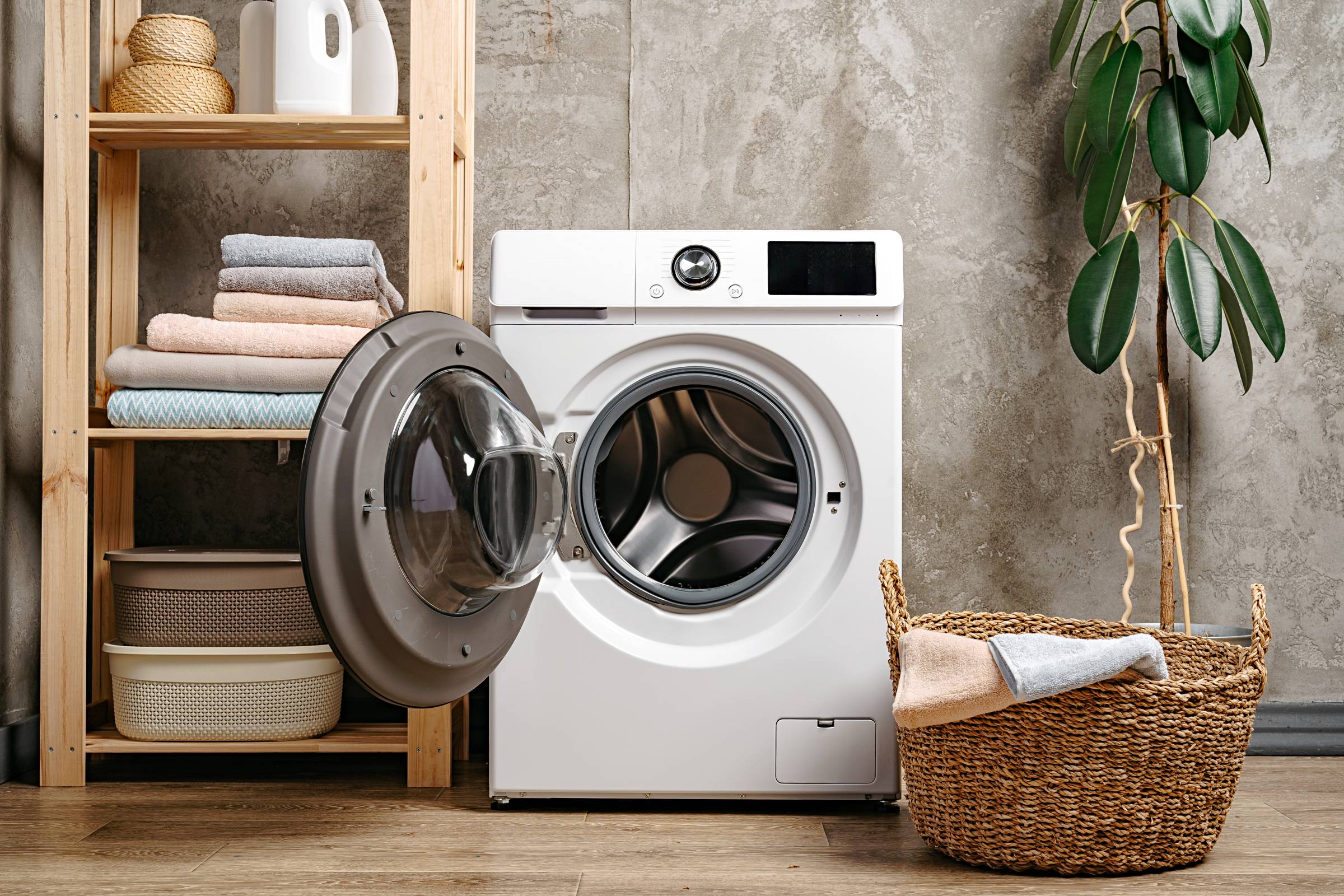
The Big Divide: Washer Types and Their Price Tags
The first and most significant decision you’ll make is the type of washing machine. This choice fundamentally impacts price, performance, and even your laundry room’s layout.
Top-Load Washers: The Traditional Choice
These are the machines many of us grew up with, where you lift a lid on top to drop your clothes in. They’ve evolved, and now you generally find two kinds:
- Agitator Top-Loaders: The classic design with a central post that twists back and forth. They are typically the most affordable option.
- Price Range: $400 – $800
- Pros: Familiar to use, generally faster wash cycles, and often the cheapest to buy.
- Cons: Can be rougher on clothes, use more water and energy, and the agitator takes up valuable drum space.
- High-Efficiency (HE) Impeller Top-Loaders: These models ditch the central agitator for a low-profile plate or “impeller” at the bottom of the drum. This design spins and rubs clothes together to get them clean.
- Price Range: $600 – $1,200
- Pros: More gentle on fabrics, use significantly less water, higher capacity, and higher spin speeds which means less time in the dryer.
- Cons: Wash cycles can be much longer, and they require specific HE detergent.
Front-Load Washers: The Modern Standard
Front-load machines have a door on the front and tumble clothes through a shallow pool of water. They are the standard in Europe and have become increasingly popular everywhere for their efficiency and performance.
- Price Range: $700 – $1,800+
- Pros: The most water and energy-efficient, gentlest on clothes, best cleaning performance, and highest spin speeds for shorter drying times. Plus, they are often stackable with a dryer, saving precious floor space.
- Cons: Higher upfront cost, wash cycles can be long, and the door seal requires regular wiping to prevent mold and mildew.
Expert Take: As a consultant, I often see people default to a top-loader out of habit. But if you do a lot of laundry and your budget can stretch, a front-loader’s long-term savings on water and electricity bills can often offset the higher initial price within a few years. It’s an investment in efficiency.
What About Washer-Dryer Combos?
These all-in-one units wash and then dry your clothes in the same drum. They are a fantastic solution for small apartments, RVs, or homes without a dedicated dryer vent.
- Price Range: $1,000 – $2,500
- Pros: Ultimate space-savers.
- Cons: Very small capacity (you can only dry about half of what you can wash), extremely long cycle times (4-6 hours is common), and they are generally less efficient.
Key Features That Drive Up the Cost
Once you’ve picked a type, the specific features are what separate a $700 machine from a $1,500 one. Here’s what you’re paying for.
- Capacity (Cubic Feet): This is a big one. Capacity is measured in cubic feet (cu. ft.).
- Small (2.0 – 3.5 cu. ft.): Good for one or two people. Can handle a queen-size comforter.
- Medium (3.6 – 5.0 cu. ft.): The sweet spot for a family of four. Can easily wash a king-size comforter.
- Large (5.1+ cu. ft.): Ideal for large families or if you want to wash bulky items like sleeping bags or multiple comforters at once. Expect to pay a premium for larger capacities.
- Spin Speed (RPM): Measured in revolutions per minute (RPM), this tells you how fast the drum spins to extract water at the end of a cycle. Higher RPM means drier clothes, which means less work for your dryer. A basic model might have 800 RPM, while a high-end one can reach 1,400 RPM or more.
- Energy and Water Efficiency: Look for the ENERGY STAR label. Certified models use about 25% less energy and 33% less water than standard machines. While they might cost a little more upfront, they save you money on every single bill.
- Special Cycles and Steam Functions: Basic machines have a few cycles (Normal, Heavy, Delicates). More expensive models offer a dizzying array:
- Sanitize: Uses extra-hot water or steam to kill bacteria. Great for baby clothes or bedding.
- Steam: Helps to remove wrinkles and odors, reducing the need for ironing.
- Quick Wash: A 15-30 minute cycle for lightly soiled items you need in a hurry.
- Allergen: Designed to remove pet dander and dust mites.
- Smart Features (Wi-Fi Connectivity): This is the new frontier. Smart washers connect to your home’s Wi-Fi, allowing you to:
- Start, stop, and monitor cycles from your phone.
- Receive alerts when your laundry is done.
- Download new, specialized wash cycles.
- Diagnose problems without calling a technician.
- Is it a necessity? No. Is it incredibly convenient? Absolutely. Expect to pay a $100-$300 premium for these capabilities.
Bảng trống.
Don’t Forget the “Hidden” Costs
Your research on How Much Is A New Washing Machine shouldn’t stop at the sticker price. Be sure to factor in these potential extra expenses:
- Delivery & Installation: Some retailers include this, but many charge extra, from $50 to $150.
- New Hoses: Never reuse old water hoses. A new set of high-quality, steel-braided hoses is a must-buy and will cost you $20-$40. It’s cheap insurance against a catastrophic leak.
- Haul-Away of Old Unit: Most places will take your old machine for a fee, typically around $25-$50.
- Extended Warranty: Retailers will almost always offer an extended warranty. Whether it’s worth it is a personal choice, but it can add another $100-$300 to your total cost.
Is It Better to Repair or Replace?
This is a common question. Here’s a simple rule of thumb I share with clients:
The 50/50 Rule: If your washing machine is more than 50% through its average lifespan (which is about 10-12 years) and the cost of the repair is more than 50% of the cost of a new, comparable machine, it’s time to replace it.
A $350 repair on a nine-year-old machine that would cost $600 to replace is simply not a good investment. You’re better off putting that money toward a new, more efficient model with a fresh warranty.
Frequently Asked Questions (FAQ)
1. What is the best month to buy a new washing machine?
Appliance sales often happen around major holidays. Look for deals during September and October (as new models are released), January (post-holiday sales), and major holiday weekends like President’s Day, Memorial Day, July 4th, and Black Friday.
2. How much should I spend on a good washing machine?
For most families, the sweet spot is between $700 and $1,100. In this range, you can get a reliable, high-efficiency machine (either top-load or front-load) with excellent cleaning performance and useful features without paying for high-end tech you may not use.
3. Do more expensive washing machines clean better?
Not necessarily. Price is often tied to capacity, special features (like steam or smart tech), and brand name. A well-designed mid-range machine will often clean just as well as a top-of-the-line model for everyday laundry. The biggest jump in cleaning performance is usually when moving from an old agitator top-loader to any modern HE machine.
4. How much does professional installation cost?
If not included by the retailer, expect to pay a professional plumber or handyman between $100 and $200 for installation. This typically includes connecting the new hoses, leveling the machine, and testing it.
5. Are front-load washers really worth the extra money?
In the long run, yes, for most people. Their savings on water and electricity, combined with their superior cleaning performance and gentler treatment of your clothes (which helps them last longer), make them a worthwhile investment if your budget allows.
The Final Spin
Figuring out how much is a new washing machine is more than finding a number; it’s about understanding what you get for your money. A basic $450 top-loader will get your clothes clean, but a $900 front-loader will do it more efficiently, more gently, and with more convenience, saving you money over its lifespan.
Before you buy, make a checklist:
- Measure your space carefully.
- Consider your family’s size and laundry habits to determine capacity.
- Decide which advanced features are “must-haves” versus “nice-to-haves.”
- Set a realistic budget that includes delivery and installation.
By arming yourself with this knowledge, you can move past the sticker shock and make a smart, informed decision that will serve your home well for the next decade. Now that you’re ready, feel free to check out some of our in-depth reviews to find the perfect model for you.