Let’s be real, laundry day isn’t exactly a party. It’s a chore that can take up precious time and, more importantly, precious space. If you’re tired of trekking to the laundromat or sacrificing half your closet for two bulky machines, finding the Best Washer Dryer Combo might feel like discovering a secret life hack. These all-in-one wonders promise to wash and dry your clothes in a single, compact unit. But are they too good to be true?
Welcome to Washing Machinee, where we cut through the noise. I’m here to walk you through everything you need to know, from how these gadgets actually work to which features are worth your money. Think of me as your personal laundry consultant. By the end of this guide, you’ll be able to confidently decide if a combo unit is your laundry room hero and how to pick the perfect one.
What Exactly Is a Washer Dryer Combo (And Is It Right for You?)
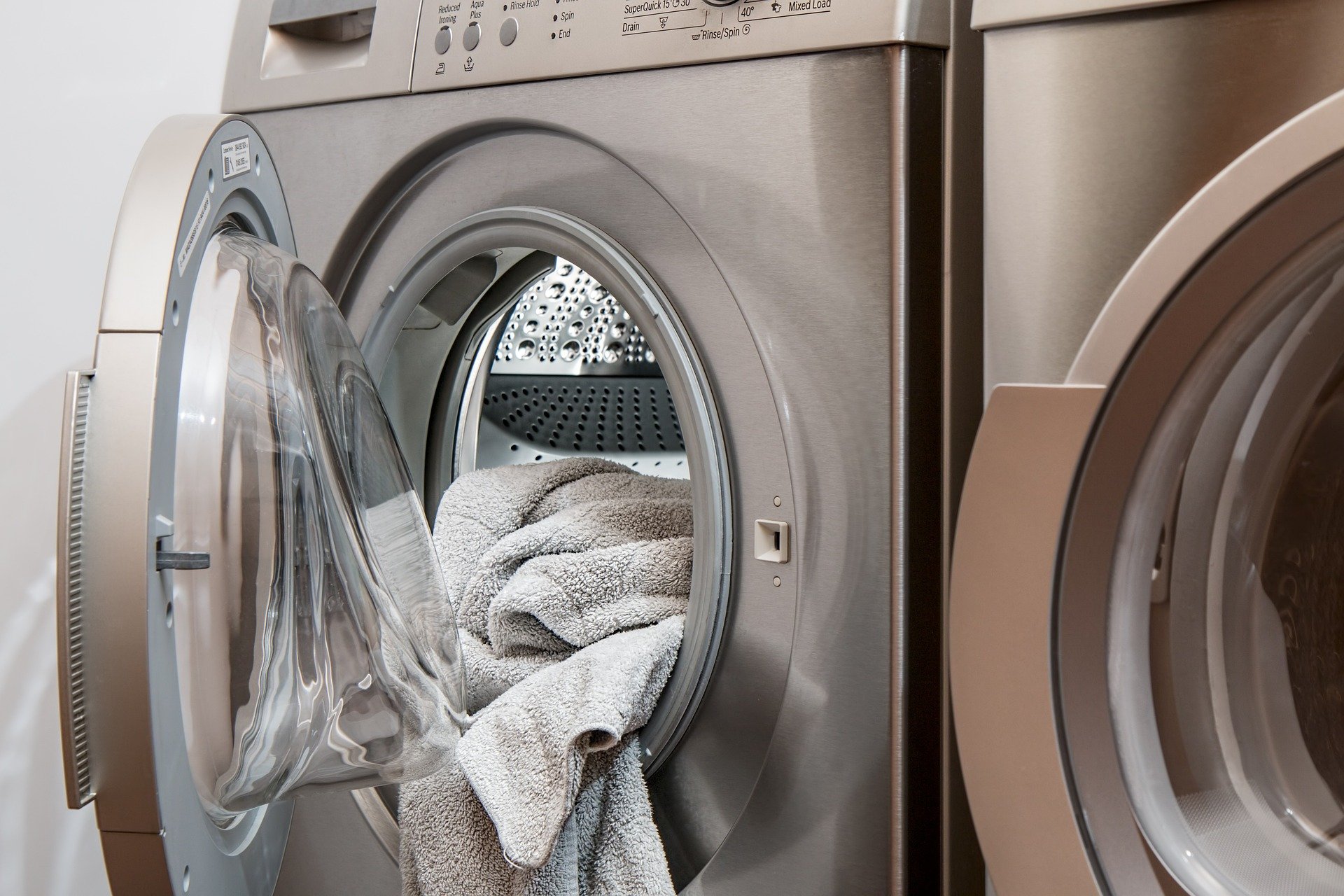
A washer dryer combo is a single appliance that functions as both a front-loading washing machine and a clothes dryer. You put your dirty clothes in, set the ‘wash + dry’ cycle, and come back hours later to clean, dry laundry. It sounds like magic, but the technology behind it is quite clever.
Unlike a standard vented dryer that pumps hot, moist air outside, most combos are condensing or ventless. They use a heat exchanger to cool the humid air from the drum, which causes the moisture to condense into water. This water is then drained away through the same pipe the wash water uses.
But before you jump in, it’s crucial to understand the trade-offs.
Pros:
- Space-Saving: This is the number one reason people buy them. You get two appliances in the footprint of one, making them ideal for apartments, condos, RVs, or any home with a small laundry closet.
- Convenience: The ‘set it and forget it’ aspect is a huge plus. No more forgetting a wet load in the washer only to find it smelling musty hours later.
- Water Efficiency: As front-loaders, they use significantly less water than traditional top-load washers.
Cons:
- Long Cycle Times: Be prepared. A full wash and dry cycle can take anywhere from 3 to 6 hours. This is because ventless drying is a slower, more gentle process.
- Smaller Capacity: The drum size is often smaller than standalone units. More importantly, you can only dry about half the amount of clothes you can wash. Overloading is the quickest way to get damp, wrinkled results.
- Potential for Wrinkles: The extended time in the drum and the condensing dry method can sometimes lead to more wrinkles than a traditional dryer.
Expert Take: John Carter, an appliance repair veteran with over 20 years of experience, notes, “The biggest mistake I see with combo units is user error. People treat them like separate, full-sized machines. They overstuff the drum for the dry cycle, which is a recipe for damp clothes and frustration. Understand its limits, and it will serve you well.”
Key Features to Look for in the Best Washer Dryer Combo
Navigating the spec sheets can feel like learning a new language. Let’s break down what actually matters when you’re comparing models.
How Do I Choose the Right Capacity?
Capacity is measured in cubic feet, but what does that really mean? For a washer dryer combo, you need to think about two capacities: washing and drying. A unit might be able to wash 4.5 cu. ft. of laundry (a large load), but it can only effectively dry about 2.3 cu. ft. (a medium load).
- For Singles or Couples (1-2 people): A compact unit around 2.3 – 2.7 cu. ft. is usually sufficient. This handles daily wear and a set of queen sheets comfortably.
- For Small Families (3-4 people): Look for larger models in the 4.0 – 5.0 cu. ft. range. Just remember you’ll likely need to run smaller, more frequent loads or take half the clothes out to air dry after washing a full load.
Ventless vs. Vented: What’s the Difference?
This is a critical decision point. While most combos are ventless, a few vented models exist.
- Condenser (Ventless): The most common type. They use water or air to cool the heat exchanger and condense moisture. They are incredibly flexible as they can be installed anywhere with water and a drain hookup.
- Heat Pump (Ventless): This is the newer, more premium technology. Instead of creating new heat, it recycles hot air in a closed-loop system. They are significantly more energy-efficient (up to 50% more) and use lower temperatures, which is gentler on your clothes. The downside? They often have the longest cycle times and a higher price tag.
- Vented: These work just like a traditional dryer, requiring an external vent to the outside. They dry faster than ventless models but completely defeat the ‘install it anywhere’ flexibility.
For most people seeking a combo unit for its space-saving convenience, a ventless model is the way to go.
Bảng trống.Must-Have Cycles and Smart Features
Modern machines are packed with features. Here are the ones that provide real value:
- Steam Cycles: Excellent for sanitizing, reducing allergens, and refreshing clothes to remove light wrinkles and odors without a full wash.
- Variable Spin Speed: A higher spin speed (measured in RPM, or revolutions per minute) extracts more water from clothes at the end of the wash cycle. This is crucial for a combo unit, as it dramatically reduces the time and energy needed for drying. Look for models with at least 1200 RPM.
- Smart Diagnosis & Wi-Fi Connectivity: Being able to start a load from your phone might seem like a gimmick, but the real benefit is diagnostics. If there’s an issue, the machine can often tell you what’s wrong via an app, potentially saving you a service call. You can also get notifications when the long cycle is finally done.
- Sensor Dry: This feature is non-negotiable. Instead of just running for a set time, the machine uses sensors to detect the moisture level in your clothes and automatically stops the cycle when they’re dry. This prevents over-drying, which saves energy and protects your fabrics from damage.
Pro Tips for Getting the Most Out of Your Washer Dryer Combo
Owning one of these requires a slight shift in your laundry habits. Following these steps will make a world of difference between frustration and satisfaction.
- Do Smaller, More Frequent Loads: This is the golden rule. Resist the urge to stuff the machine to the brim. A smaller load allows for better tumbling action, which means cleaner clothes and more efficient drying.
- Don’t Skimp on Spin Speed: Always select the highest spin speed setting your fabrics can handle. The less water there is to start with, the faster your clothes will dry.
- Use the Right Detergent: All washer dryer combos are high-efficiency (HE) machines. You must use HE detergent. Using regular detergent will create too many suds, which can damage the machine’s sensors and leave residue on your clothes.
- Clean the Lint: Unlike a standard dryer with a simple lint screen, ventless combos collect lint in a drain pump filter or a specific lint trap. You need to clean this out regularly (usually monthly) to maintain performance. Check your user manual for the specific location and instructions.
- Give Your Clothes a Shake: Before starting the dry cycle (or if you’re running a ‘wash + dry’ cycle), try to wash items that won’t get tangled. If you can, a quick shake-out between the wash and dry phases helps separate items and reduces wrinkles.
Frequently Asked Questions (FAQ)
Are washer dryer combos reliable?
Modern washer dryer combos from reputable brands are generally as reliable as their standalone counterparts. However, because they are more complex machines doing two jobs, there are more potential points of failure. Adhering to proper usage, like running smaller loads and performing regular maintenance, is key to their longevity.
Can you just use the washer or just the dryer function?
Absolutely. You can run a ‘wash only’ cycle or a ‘dry only’ cycle at any time. This is useful if you want to wash a large load and then dry it in two separate, smaller batches.
Do washer dryer combos use a lot of electricity?
It depends on the type. Condenser models use a comparable amount of energy to separate machines for a full cycle. Heat pump models are the most energy-efficient option by a significant margin and can lead to noticeable savings on your utility bill over time. Always check the Energy Star rating.
Why are my clothes still damp after a full cycle?
The most common culprit is overloading the machine for the dry cycle. Remember, you can only dry about half of a full wash load. Other potential causes include a clogged lint filter/drain pump or selecting a low spin speed.
How do I reduce wrinkles in a washer dryer combo?
Remove your clothes from the machine as soon as the cycle is finished. Leaving them to sit in the drum will set wrinkles. Using a lower heat setting and washing smaller loads can also help significantly. Some models have a ‘tumble fresh’ or ‘wrinkle guard’ option that will periodically tumble the clothes after the cycle ends.
The Final Verdict on the Best Washer Dryer Combo
So, is a washer dryer combo the right choice for you? If you live in a large house with a dedicated laundry room and a big family, probably not. The limitations in capacity and cycle time will likely be a constant source of frustration.
However, if you’re working with limited space, value the convenience of a single machine, and are willing to adjust your laundry routine to do smaller, more frequent loads, a combo unit can be a game-changer. The best washer dryer combo is the one that fits your space, your lifestyle, and your budget. By prioritizing features like a high spin speed, a sensor dry system, and the right capacity for your household, you can find a reliable and efficient machine that turns laundry day from a multi-step marathon into a simple, one-touch task.