Living with a septic system is a bit like having a delicate ecosystem right in your backyard. It’s a fantastic, self-sufficient way to manage waste, but it demands a little respect. Pour the wrong thing down the drain, and you’re asking for a world of smelly, expensive trouble. That’s why finding the Best Washer For Septic Systems isn’t just a preference; it’s a critical investment in the health of your home’s plumbing. You’re not just buying an appliance; you’re protecting your property from potential disaster. Let’s break down exactly what you need to look for, so you can do your laundry with total peace of mind.
Why Your Washer Choice Matters for Your Septic System
First things first, let’s get on the same page. A septic system isn’t a magic black hole. It’s a living environment where bacteria break down solid waste. The leftover liquid, called effluent, flows into a drainfield (or leach field) to be slowly absorbed by the soil. Two things can absolutely wreck this delicate balance: too much water and non-biodegradable solids. Your washing machine, unfortunately, is a prime suspect for producing both.
A traditional, old-school washer can dump 40 gallons of water or more in a single cycle. Imagine doing three or four loads on a Saturday. You’re suddenly flooding your septic tank with over 120 gallons of water in a few hours. This massive influx doesn’t give the solids time to settle. It churns everything up and can push solid waste and scum into your drainfield, clogging it permanently. And that, my friends, is a repair bill that can run into the tens of thousands.
The second culprit is lint. Those tiny fibers from your clothes seem harmless, but they are mostly synthetic (like polyester and nylon) and don’t break down in the tank. They build up, contribute to the sludge layer, and can also get pushed into the drainfield, causing clogs.
The Key Features of a Septic-Friendly Washer
So, how do we find a machine that plays nice with your backyard ecosystem? When you’re shopping for the best washer for septic systems, you need to become a detective looking for a few key clues on the spec sheet.
Water Efficiency is King
This is the single most important factor. You want a washing machine that sips water, not gulps it.
- Look for High-Efficiency (HE) Models: This is non-negotiable. HE washers, both front-load and top-load, use significantly less water than traditional agitator models—often between 13 to 20 gallons per load. That’s less than half the water!
- Check for ENERGY STAR Certification: An ENERGY STAR certified washer is designed to be efficient. On average, they use about 25% less energy and 33% less water than standard machines. This is a clear indicator of a septic-friendly appliance.
A Powerful Spin Cycle
What happens to water that doesn’t go down the drain? It stays in your clothes. A washer with a faster, more effective spin cycle wrings more water out of your laundry before the cycle ends.
- Higher RPMs (Revolutions Per Minute): Look for machines with high spin speeds, typically over 1,000 RPM. This means less water is sent to the septic tank and your clothes spend less time in the dryer, saving you money on electricity, too. It’s a classic win-win.
Lint Filtration
Many modern washers have internal, self-cleaning lint filters that eventually flush lint down the drain. For a septic system, this is a problem.
- External Lint Filters: While few machines come with them pre-installed, you can and should add an external lint filter to your washer’s discharge hose. It’s an inexpensive part (usually under $20) that traps the synthetic fibers before they ever reach your septic tank. It’s one of the best preventative measures you can take.
Front-Load vs. Top-Load: The Septic System Showdown
This is the big debate in the laundry room, but when a septic system is involved, there’s a pretty clear winner.
Front-Load Washers
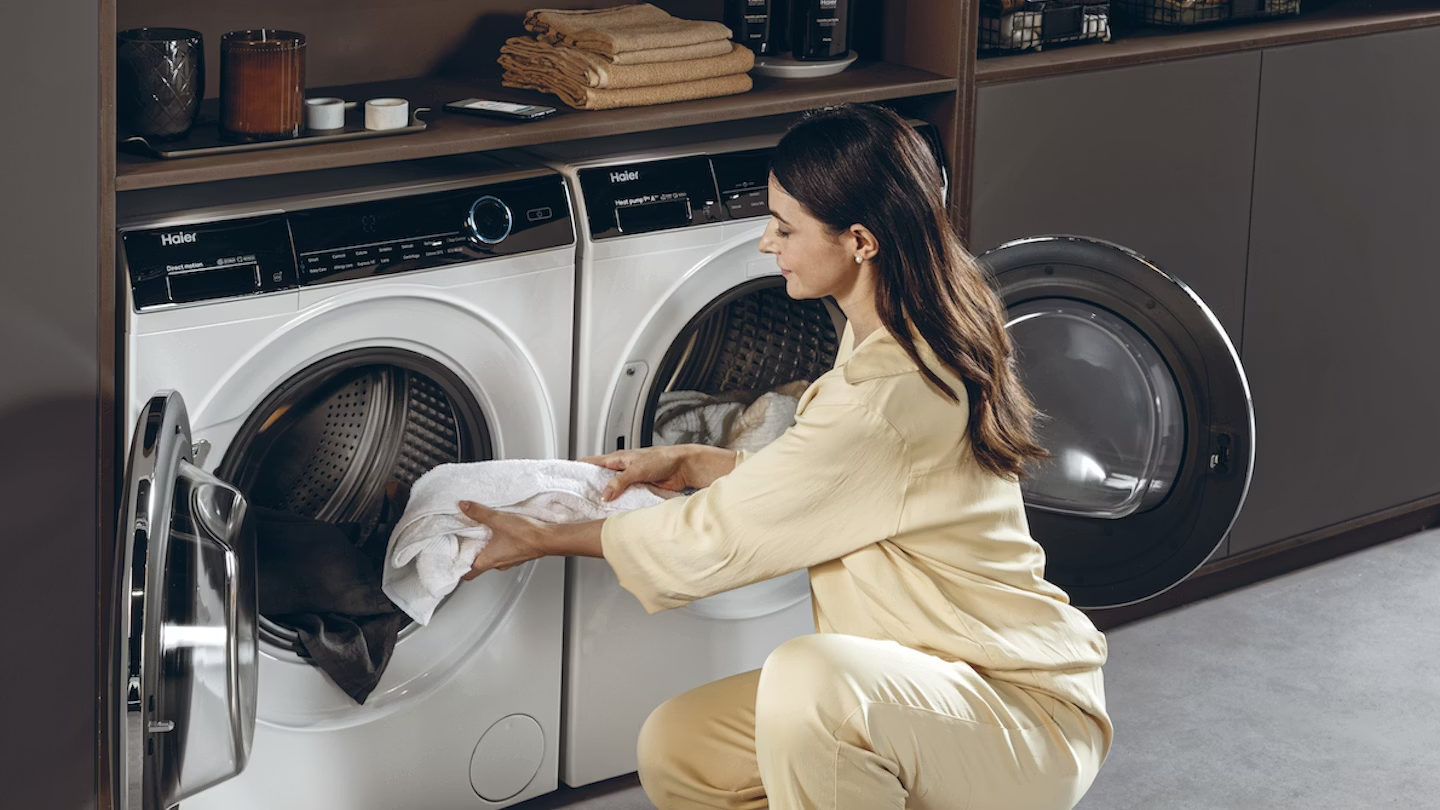
Front-loaders are the undisputed champions for septic system homes. They use a tumbling action to clean clothes, which requires much less water to saturate the laundry.
- Water Usage: They are the most water-efficient models on the market, period.
- Spin Speed: They typically have the highest spin speeds, extracting a maximum amount of water.
- Gentle on Clothes: The tumbling action is also less harsh on fabrics, which can mean less lint is produced in the first place.
High-Efficiency (HE) Top-Load Washers
If you’re set on a top-loader, don’t despair. Modern HE top-loaders (the ones without the giant central agitator) are a very solid second choice. They use an impeller plate at the bottom to swish clothes through a smaller amount of water.
- Water Usage: While they use more water than a front-loader, they are still vastly better than old-school agitator models.
- Ergonomics: Many people find them more comfortable to load and unload without bending over.
Bảng trống.A Quick Word of Warning: Avoid traditional, deep-fill top-load washers with a central agitator at all costs. Their high water consumption is the sworn enemy of a happy septic system.
Beyond the Machine: Septic-Safe Laundry Habits
Choosing the best washer for septic systems is half the battle. The other half is how you use it. Even the most efficient machine can cause problems if you don’t adopt some septic-safe habits.
- Spread Out Your Laundry Days: Instead of doing all your laundry in one day, spread it out throughout the week. Doing one or two small loads a day gives your septic system time to process the water and allows the solids to settle properly.
- Use the Right Detergent (and the Right Amount): Always use High-Efficiency (HE) detergent in an HE machine. It’s formulated to be low-sudsing. Regular detergent will create too many bubbles, which can trap lint and prevent the machine from draining properly. Also, make sure the detergent is biodegradable and septic-safe. Avoid products with excessive phosphates or chlorine bleach.
- Mind Your Load Size: Use the appropriate water level setting for the size of your load. Don’t use the “large load” setting for just a few items. Many modern washers have auto-sensing features that do this for you, which is a fantastic septic-friendly feature.
As our trusted appliance expert, John Davies, a Master Technician with over 20 years of experience, often says:
“I’ve seen more septic drainfields fail from laundry habits than from any other single appliance. People buy a great, water-saving machine and then do five back-to-back loads with cheap, sudsy detergent. The machine isn’t the problem; it’s how you use it. A little mindfulness goes a long way.”
Frequently Asked Questions (FAQ)
What is the best type of washing machine for a septic system?
The best type is a High-Efficiency (HE), ENERGY STAR certified front-load washer. These models use the least amount of water and have high spin speeds to remove more moisture from clothes, putting the least amount of stress on your septic tank and drainfield.
Can I use a top-load washer with a septic system?
Yes, you can, but it must be a High-Efficiency (HE) top-loader without a central agitator. These use significantly less water than traditional top-load models. Avoid old-fashioned, deep-fill agitator washers completely, as they use far too much water.
What kind of laundry detergent is safe for septic tanks?
Look for liquid detergents that are biodegradable, low-phosphate, and specifically labeled as “septic-safe.” Always use HE-formula detergent in an HE machine to prevent excessive suds. Powdered detergents can sometimes clump and contribute to clogs, so liquid is often a better choice.
How does lint from the washer affect my septic system?
Lint, especially from synthetic fabrics like polyester and nylon, does not break down in a septic tank. It accumulates in the sludge layer or can flow out to the drainfield, where it clogs the pores in the soil and can lead to system failure. Installing an external lint filter on the discharge hose is highly recommended.
How often should I do laundry when I have a septic system?
It’s best to spread your laundry loads throughout the week rather than doing them all on one day. Aim for no more than one or two loads per day. This prevents a large, sudden influx of water from overwhelming your septic system.
Your Septic System Will Thank You
Choosing the best washer for septic systems boils down to one simple principle: water control. The less water you send down the drain, the healthier and happier your septic system will be. A front-loading HE machine is your top-tier choice, with an HE top-loader serving as a worthy alternative. Combine that smart purchase with mindful laundry habits—like spreading out your loads and using the right detergent—and you’ll protect your property’s most vital and expensive system for years to come. Now you can hit that “start” button with confidence.