Walking into an appliance store can feel like stepping onto a battlefield. On one side, the familiar, reliable top-load washers. On the other, the sleek, modern front-load machines. The great debate over Top Load Vs Front Load Washer Pros Cons has been raging for years, and if you’re in the market for a new machine, you’re right in the middle of it. But don’t worry. I’m here to act as your trusted guide through the suds and spin cycles. Let’s break down this classic laundry room rivalry so you can choose the undisputed champion for your home.
First Things First: What’s the Core Difference?
Before we dive into the nitty-gritty, let’s get the basics straight. The most obvious difference is the door, but the real distinction lies in how they wash your clothes.
- Top-Load Washers: These are the machines many of us grew up with. They use a central post called an agitator to churn clothes back and forth, or a low-profile plate called an impeller to spin and rub clothes against each other in a pool of water.
- Front-Load Washers: These work by tumbling your clothes. The drum is mounted horizontally, and as it rotates, it lifts the clothes up and drops them back into the water. Think of it like a dryer, but with water and soap. This tumbling action provides the cleaning friction.
This fundamental difference in mechanics is the source of nearly all the pros and cons we’re about to explore.
The Case for Top-Load Washers: Tried and True
Top-loaders are the old guard of the laundry world. They’re familiar, straightforward, and have been a household staple for generations. But is nostalgia enough to win them a spot in your home?
The Pros of a Top-Load Washer
- Ergonomics and Convenience: There’s no bending or kneeling required. You can simply drop clothes in from a standing position, which is a major plus for anyone with back or knee issues. You can also add a stray sock or forgotten t-shirt mid-cycle without a second thought.
- Lower Upfront Cost: Generally speaking, traditional top-load models with agitators are among the most affordable washing machines on the market. If your budget is the primary driver of your decision, a top-loader is often the most economical entry point.
- Faster Wash Cycles: Because they tend to use more water, many traditional top-loaders can power through a normal cycle much faster than their front-loading counterparts, sometimes in as little as 30-45 minutes.
- Less Prone to Mold and Odors: Since the lid isn’t airtight and gravity helps drain all the water out, top-loaders rarely suffer from the mold and mildew issues that can plague front-loaders if they aren’t maintained properly.
The Cons of a Top-Load Washer
- Tougher on Clothes: The agitator, in particular, can be harsh. The twisting and pulling motion can cause more wear and tear on fabrics over time, leading to stretching, snagging, and pilling. Impeller models are gentler, but still not as gentle as a front-loader.
- Higher Water and Energy Consumption: This is the big one. Top-loaders, especially older models, are water hogs. They need to fill the entire tub to submerge the clothes, which means higher water bills and more energy used to heat that water. Even high-efficiency (HE) top-loaders typically use more water than a front-loader.
- Often Less Effective Cleaning: While they get the job done for everyday dirt, the tumbling action of a front-loader is generally proven to be more effective at removing tough stains.
- Bulky Items Can Be a Challenge: Washing a big, puffy comforter can be a struggle. It can wrap around the agitator, leading to an unbalanced load and incomplete cleaning.
The Case for Front-Load Washers: Modern Efficiency
Front-loaders are the relative newcomers, bringing a wave of efficiency and advanced technology to the laundry room. They look futuristic, but do they deliver on their promises?
The Pros of a Front-Load Washer
- Superior Cleaning Performance: The tumbling wash motion is simply more effective. It uses gravity to knock clothes against each other, providing a thorough yet gentle clean that’s better at tackling stubborn stains.
- Incredible Water and Energy Efficiency: This is their main selling point. Front-loaders use significantly less water—sometimes up to 40% less—than even HE top-loaders. Less water means less energy to heat it, saving you money on two utility bills. Most are Energy Star certified for a reason.
- Gentler on Your Wardrobe: No agitator, no problem. The tumbling action is much kinder to your clothes, helping them look newer for longer. This is a huge benefit if you wash a lot of delicates or expensive garments.
- Higher Spin Speeds: Front-loaders can spin much faster, with some models reaching 1300 RPM (Revolutions Per Minute) or more. This extracts more water from your clothes, meaning they spend less time—and use less energy—in the dryer.
- Space-Saving and Stackable: If you’re short on space, a front-load washer and dryer set can be stacked vertically, a feat impossible for top-loaders. This can free up valuable floor space in a small laundry room or closet.
The Cons of a Front-Load Washer
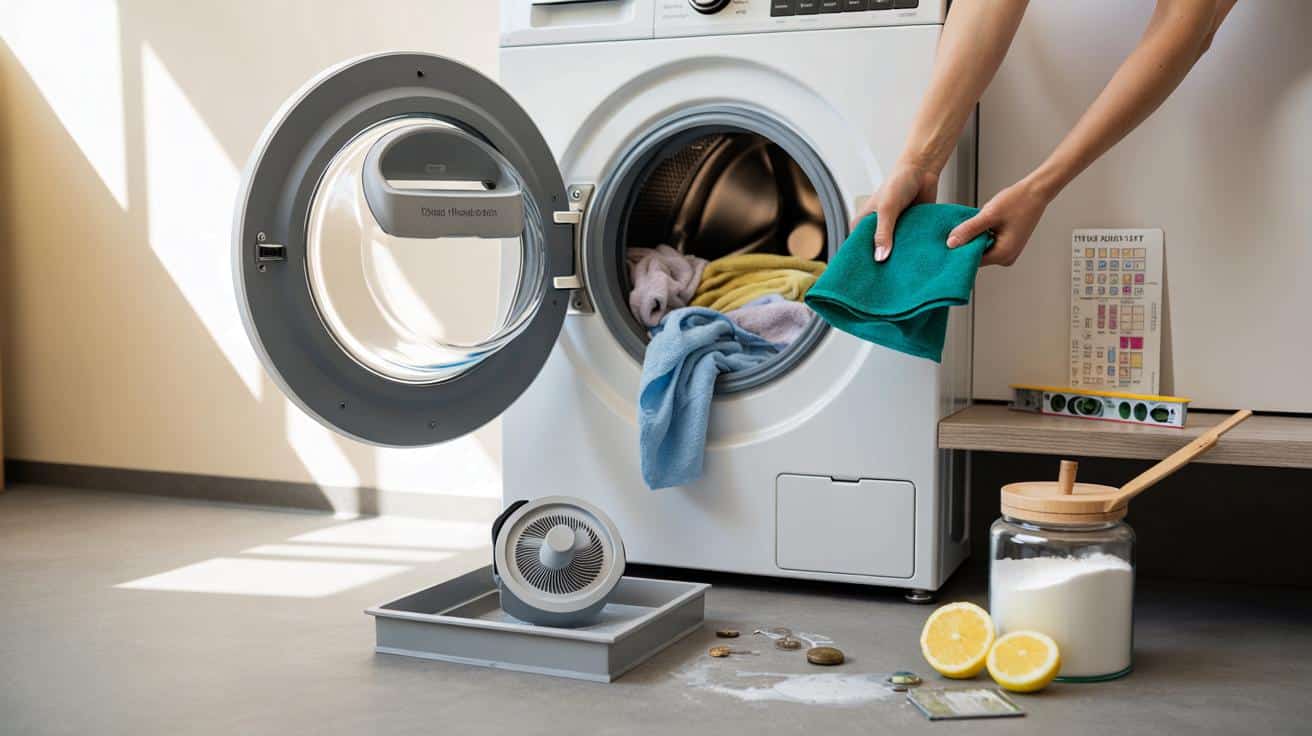
- The Mold and Mildew Menace: This is the most common complaint. The airtight rubber gasket around the door can trap moisture and soap residue, creating a breeding ground for mold and musty odors if not cared for. You must be diligent about wiping the gasket and leaving the door ajar after each use.
- Higher Initial Cost: On average, front-load washers come with a higher price tag than their top-loading counterparts. You’re paying for the advanced technology and efficiency.
- Longer Wash Cycles: An efficiency-focused wash cycle in a front-loader can often take an hour or more to complete. While they clean well, they aren’t built for speed.
- Bending and Kneeling: Loading and unloading requires bending down, which can be uncomfortable for some people. While pedestals can raise the machine to a more convenient height, they are an added expense.
A Side-by-Side Showdown: Top Load vs Front Load at a Glance
Sometimes, seeing it all laid out makes the choice clearer. Here’s a quick comparison table to summarize the key differences.
| Feature | Top-Load Washer | Front-Load Washer |
|---|---|---|
| Cleaning Performance | Good, but can be harsh on clothes (agitator models) | Excellent, more effective on stains and gentler on fabrics |
| Water Efficiency | Uses more water | Highly efficient, uses significantly less water |
| Energy Efficiency | Less efficient (more water to heat) | Highly efficient (less water, faster spin) |
| Spin Speed (RPM) | Lower (around 700-900 RPM) | Higher (up to 1300+ RPM), meaning less drying time |
| Upfront Cost | Generally lower | Generally higher |
| Ergonomics | Easy to load, no bending | Requires bending; can be raised with a pedestal |
| Cycle Time | Typically faster | Typically longer |
| Space Usage | Cannot be stacked | Can be stacked with a matching dryer |
| Maintenance | Low maintenance | Requires regular cleaning of door gasket to prevent mold |
So, Which Washer is Actually Right for You?
The best choice in the top load vs front load washer pros cons debate depends entirely on your priorities, habits, and home. Let’s walk through a few scenarios.
You should probably buy a TOP-LOAD washer if…
- You’re on a tight budget. The lower upfront cost is a major advantage.
- You value speed and simplicity. If you just want to get laundry done quickly without fuss, a top-loader is your friend.
- You have back or joint pain. The easy, no-bend loading is a non-negotiable feature for many.
- You’re worried about maintenance. You prefer a machine you can largely “set and forget” without worrying about wiping down a seal.
Expert Insight from John Carter, a certified appliance technician with 15 years in the field:
“The most common service call I get for front-loaders is odor-related. People forget to clean the gasket. With top-loaders, the biggest mistake I see is overloading, which puts immense strain on the agitator and suspension. Whatever you choose, using it correctly is half the battle.”
You should probably buy a FRONT-LOAD washer if…
- You want the best possible cleaning performance. For families with active kids, messy jobs, or a passion for pristine clothes, a front-loader is the clear winner.
- You’re focused on long-term savings and sustainability. The water and energy savings will pay off over the life of the machine, and it’s a more environmentally friendly choice.
- You have a small laundry space. The ability to stack your units can be a complete game-changer in a condo, apartment, or small home.
- You wash a lot of delicates or bulky items. It’s gentler on your clothes and handles things like king-size comforters with ease.
Frequently Asked Questions (FAQ)
1. Are front load washers really that much more efficient?
Yes, absolutely. By using a tumbling motion instead of filling a deep tub, they can use up to 40-50% less water and about 30% less energy than a traditional top-loader. The savings on your utility bills are real and add up over time.
2. How can I prevent mold and smells in a front-load washer?
It’s a simple three-step process:
- Use the correct amount of High-Efficiency (HE) detergent. Too much soap leaves residue.
- After your final load of the day, wipe down the rubber door gasket and the inside of the door with a dry cloth.
- Leave the door slightly ajar to allow the drum to air out completely.
3. Do all top-load washers have an agitator?
No. Many newer high-efficiency (HE) top-loaders use an impeller instead. An impeller is a low-profile cone or disc that spins at the bottom of the drum, creating a gentler wash action and allowing for a larger capacity. They are a good middle-ground option.
4. Can I add clothes mid-cycle to a front-loader?
On most modern front-loaders, yes! Many now have a “Pause” or “Add a Garment” feature that lets you stop the cycle early on, allowing the door to unlock so you can toss in that forgotten sock.
5. Which type of washer lasts longer?
Durability depends more on the brand, build quality, and maintenance than the type of washer. Both top-loaders and front-loaders can last 10-14 years with proper care. The key is to buy from a reputable brand and follow the manufacturer’s maintenance guidelines.
The Final Verdict
Ultimately, the great top load vs front load washer pros cons showdown doesn’t have a single winner—it has a winner for you. If your priority is a low upfront cost and ergonomic, no-fuss convenience, a top-load washer remains a solid and dependable choice. However, if you’re seeking superior cleaning performance, long-term efficiency that saves you money, and a machine that’s gentle on your clothes, the front-load washer is the modern champion.
Take a moment to consider your budget, your laundry habits, and your physical needs. Armed with this knowledge, you can now confidently choose the machine that will make laundry day less of a chore and more of a victory.